RFS welcomes deer impacts policy statement
The RFS welcomes Defra's new 10-year government plan presented in its 'Deer impacts policy statement: managing the impacts of wild deer in England'
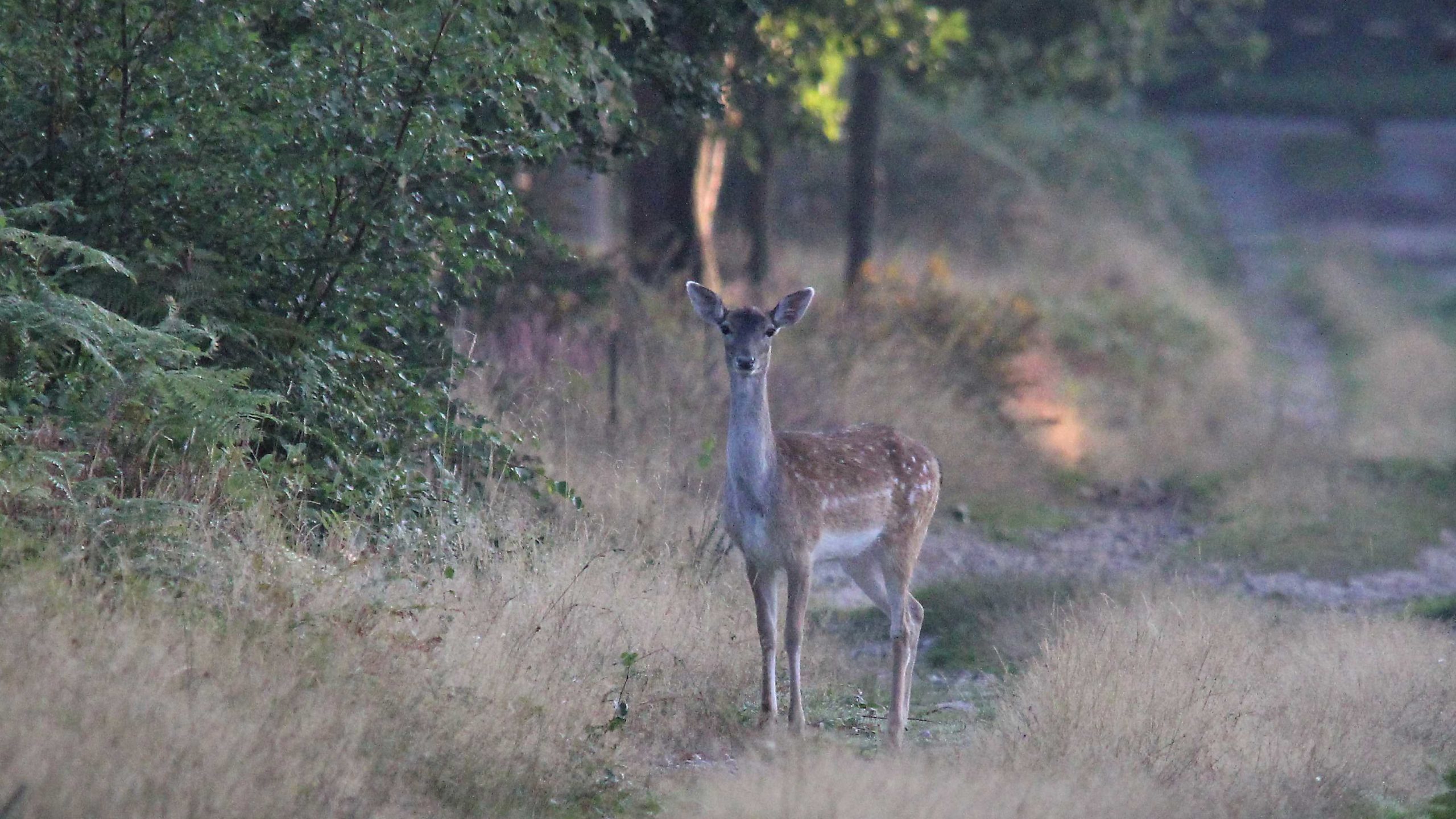
Defra has published its ‘Deer impacts policy statement: managing the impacts of wild deer in England’, in which it lays out a new 10-year plan for managing the impact of deer on woodlands.
Addressing deer pressure is a core concern for the Royal Forestry Society and our members, so we are encouraged by Defra’s renewed commitment to reducing deer damage to woodland, supporting land managers with grant funding and minimising the spread of non-native species.
An estimated one-third of England’s woodlands are now affected by deer damage, with excessive browsing and trampling preventing young trees from establishing, degrading habitats, and damaging crops. Without urgent action, this damage risks undermining woodland creation, nature recovery and domestic timber production.
Current management approaches have not kept pace with rising impacts. There is a need to reduce reliance on fencing and tree shelters and increase effective, active deer management at landscape scale.
RFS Chief Executive Christopher Williams commented: “The RFS welcomes the announcement of the Government’s Deer impacts policy statement. Over the last 50 years or so, deer numbers have climbed significantly, which has adversely affected woods across the country. Excessive deer browsing prevents woods from regenerating, changing their structure, threatening their future and significantly reducing the biodiversity value of our woodland.
“The RFS and its members have been asking for more action on deer, so the renewed commitment from the government to reduce the impact of deer on our woods is very welcome.
“The commitment to streamline the licensing system to enable more landowners and managers to take appropriate action to control deer should help. We also welcome the development of targeted, landscape-scale efforts in areas where the impact of deer is most severe.”
The statement outlines plans to tighten the UK Forestry Standard, which the RFS welcomes. Defra states that felling licences will increasingly require evidence of deer management planning; woodland management plans will need a deer management statement; and felling licences may be refused if deer impacts aren’t being addressed.
Defra is also exploring legislative reform to enable tenants and owners or occupiers of land to have the legal rights to shoot deer under certain circumstances.
We were pleased to see that skills and training were included in the statement, with Defra stating that it will work to develop opportunities for increasing sector skills and capacity, including through wildlife management traineeships and training.
The package of measures announced in the statement aims to give land managers tools and support to act quickly and effectively. This includes:
- Dedicated deer officers to provide clearer, more accessible advice and coordination
- Grant funding to support effective deer management activity
- Streamlined licensing processes to cut red tape and enable faster action
- Potential changes to night shooting and close season licensing, allowing land managers to better protect crops, timber and habitats where there is a clear need.
We were also encouraged by the government’s support for the British Quality Wild Venison Standard to boost consumer confidence and explore the use of public procurement to increase consumption.
Forestry Commission Chief Executive Richard Stanford said: “Deer damage is one of the biggest negative impacts on our trees and woodlands. Action has been long overdue, and these welcome measures will give land managers the tools they need to reduce pressures from excessive deer browsing to protect trees and restore biodiversity in our woodlands.
“This will help trees, and other plants to thrive, enable nature to recover and provide much needed habitat for woodland birds and other wildlife. We can all help in this endeavour by eating wild venison, the most climate-friendly red meat there is.”
The Deer Impacts Policy Statement follows Defra’s Grey Squirrel Policy Statement, published on 29 January, which set out measures to tackle damage to trees and woodlands caused by invasive grey squirrels and support native red squirrel populations. Read our response here.
Read more: