RFS Certification: “In forestry, the learning never really stops”
RFS Member, Luke Myatt tells us about his path to RFS Certification.
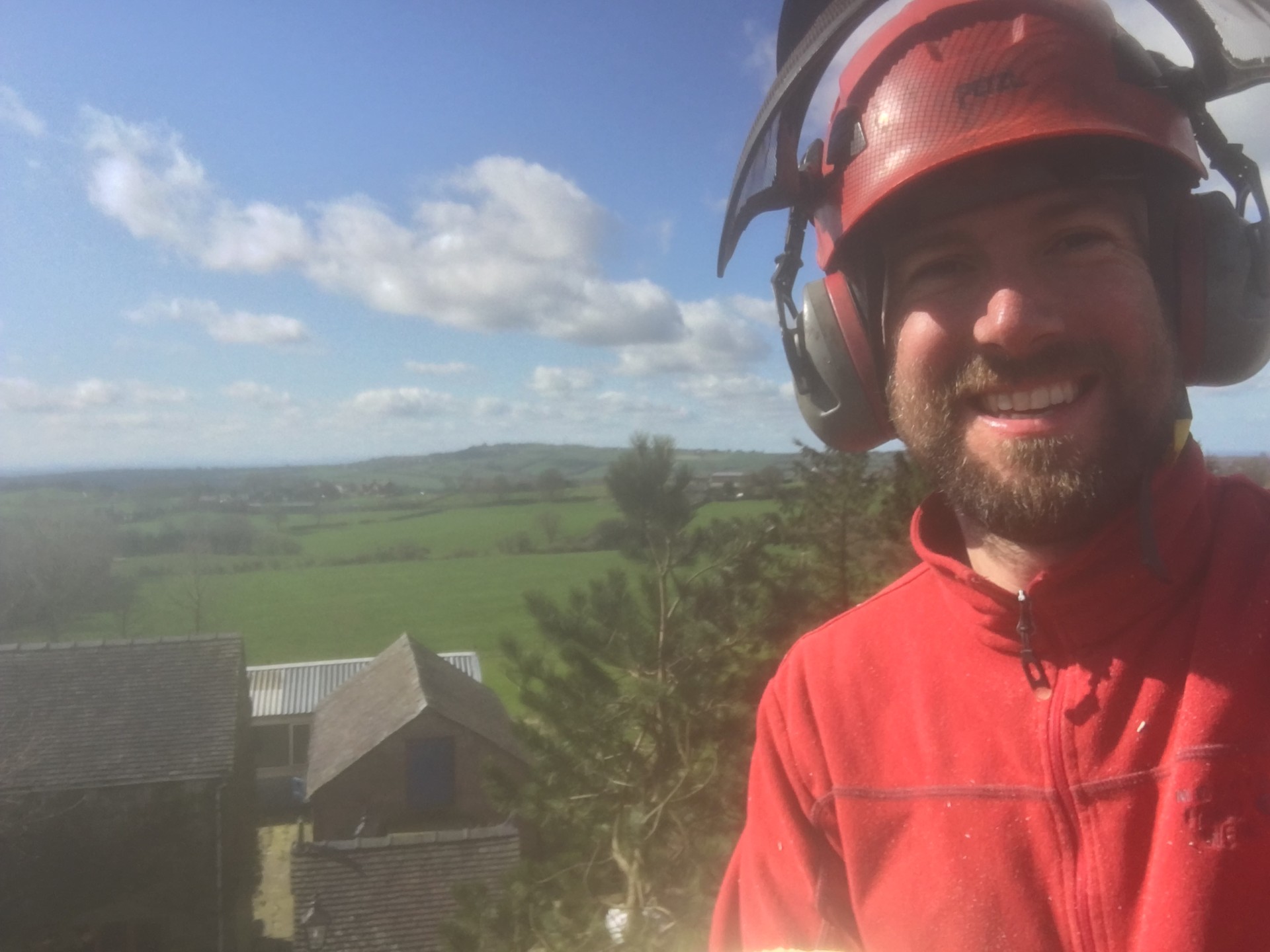
Achieving the Certificate in Forestry from the RFS has been a real milestone for me. It recognises both the practical and theoretical elements of forestry, and in my view, that combination is what underpins good woodland management.
My career in forestry
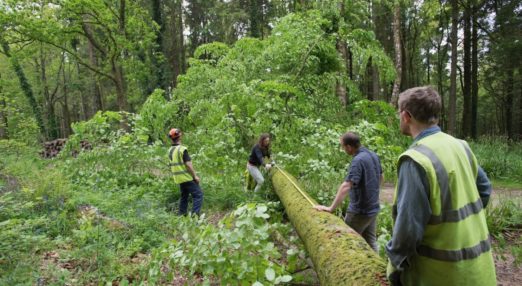
I began my career on the more practical side of forestry and always had an interest in the bigger picture of sustainable management. I started out on the tools, carrying out chainsaw work along riparian corridors, hand‑felling infected larch and tackling steep sites with winches.
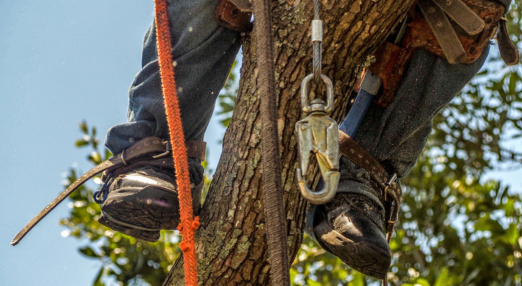
Later, I moved into climbing and tractor work and eventually into more management roles, working closely with clients to shape how their sites develop. These days, my day-to-day work ranges from timber marking and harvesting to restocking, woodland creation and tree safety.
Alongside the practical work, I completed an MSc in Forestry Management. It strengthened my understanding of silviculture, policy and planning. It helped me understand how the day‑to‑day decisions fit into longer‑term woodland planning.
My experience with RFS certification
I chose to apply for RFS Certification because it brings together those two strands in my career; the practical experience and the academic knowledge.
The certification process was a great opportunity to reflect on my experience so far. It encouraged me to think more critically about the decisions we make in forestry and the role of evidence‑based management. It also reminded me how much my practical experience continues to shape my decisions.
Since gaining the certification, I’ve found it’s strengthened the way I work with clients and stakeholders and gives them reassurance that my work meets recognised industry standards and that I’m committed to keeping those standards high.
One of the things I enjoy most about forestry is that the learning never really stops. For me, that opportunity to keep learning is one of the most rewarding aspects of working in the industry.
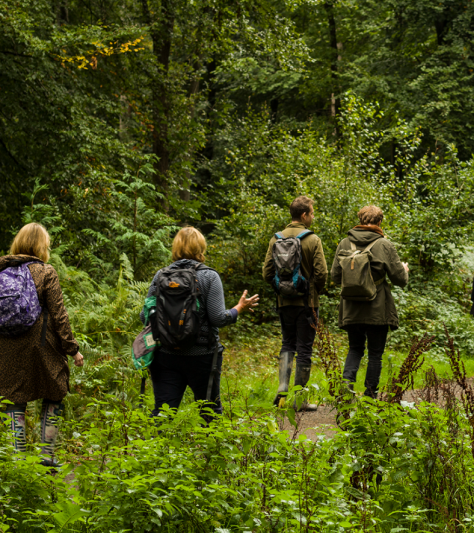
Alongside RFS Certification, I’ve continued to build my skills and knowledge through field visits, additional qualifications and practical experience, including deer management and involvement in a range of conservation and woodland projects.
Applying for certification
If you’re thinking about applying, I’d definitely recommend it. Whether you come from a practical background or an academic one, it’s a good way to show your skills and keep developing professionally.
The RFS plays an important role in raising standards across the sector and I’m proud to be part of that. I’m looking forward to building on this foundation and continuing to play a part in the sustainable management of woodlands in the years ahead.