Plant Health Week: Why Biosecurity Matters
According to Forest Research just one in twenty people fully understand the term biosecurity and thirty per cent have never heard of the word. To help get to grips with how plant health threats can impact us all, we dive into the national security impact, and how we can protect our trees and woodlands.
According to Forest Research just one in twenty people fully understand the term biosecurity and thirty per cent have never heard of the word[1]. This would suggest that taking biosecurity seriously is going to be a difficult concept for the general public. Even in a post-Covid world, attitudes about the effect of biological materials spreading through our everyday actions are often fairly apathetic.
Definition:
Biosecurity is a set of precautions that aim to prevent the introduction and spread of harmful organisms. These may be pests, pathogens or invasive species.[2]
In simple terms biosecurity is the equivalent of tissues when you sneeze, or washing your hands before you eat. It’s not a lot of effort but it keeps us all much safer.
Why Does It Matter?
Biosecurity protects our ecosystems, ecosystems that we ultimately rely on for our food systems, much of our production, and the nature environments we have around us.
As an example, let’s start with two of the nations’ favourite things: chocolate and coffee. If you’ve seen prices go up over the last few years you have already been impacted by threats to plant health. When low pollination rates[3], alongside greater rainfall, and insect infestation[4] hit cocoa plants hard the supply suffered, which meant prices went up. Similarly, coffee supplies have been impacted by a fungus that had impacted growing for the best part of a century, not helped by climate change.[5] Whilst the UK might not grow cacao or coffee, we do grow apples, pears, plums, as well as a host of other foods you rely on every day.
The same threats exist for the food crops in the UK, including orchards and trees that can catch and pass on pests and diseases that impact food crops around them. Hawthorns, for example, make up a huge proportion of hedgerows in the UK, alongside farms and throughout the countryside supporting biodiversity. But if a pest or disease starts to impact hawthorns there’s the possible of it impacting the wider treescape as well as surrounding environments[6].
For farmers, biosecurity is no joke: it’s been 25 years since the foot and mouth outbreak which brought rural economies to it’s knees and cost the UK economy over £8 billion[7]. If something similar were to happen to our plant crops and trees it would be a national crisis which could lead to people going hungry.
If you caught our latest podcast on the Lumberjills you may have picked up that before WWII Great Britain was running low on timber; shortages meant a worrying picture for much of the production required to keep the country going or support the armed forced abroad. Although we’re not currently at war, the UK still depends on timber for building supplies, packaging and distribution of products across the world, as well as common paper products, etc.
Plant pests and disease know no borders. As a country the UK imports more than 80% of the wood and wood products we use; on top of that the 470 million tonnes of material that is imported will also be transported on pallets and use wood materials to package goods.[8] This presents a huge challenge to our biosecurity as these imports are one of the main ways that tree pests and disease can enter the UK making us more vulnerable. If these threats badly impact our trees and woodlands, that in turn would limit our homegrown timber supply and likely result in more expensive and carbon-heavy imports. Protecting our domestic supply of timber also protects supply chains, the economy, and in an unpredictable world it keeps us resilient[9]. As timber is also a sustainable material that locks carbon in that it captured from the atmosphere while it grew it is also a vital resource in the fight against climate change.
Foresters are already attempting to plant more tree species to meet the high demand for timber[10], but it is also important to ensure that they are resilient as far as possible to the changing climate, future needs of industry, as well as resilient against pests and diseases that already exist[11]. The best way to do this is with diverse forests and multi-species planting[12] as pests and disease have less chance of spreading and causing dramatic damage. However, importing new species (even when well-researched and considered) have the potential of disrupting the native environment and bringing threats we weren’t previously aware of. Climate change, with the weather getting wetter and warmer, is also increasing the risks of these threats surviving for longer and impacting more trees where they might not have previously. The extreme weather also stresses the trees themselves and make them more vulnerable to the pests and diseases that come after.[13]
“Around 350 pests and diseases on the UK Plant Health Risk Register are capable of affecting our trees”[14] and this number is increasing[15] as non-native tree pests and diseases are introduced to the UK via global trade and travel[16]. For example, the Asian longhorn beetle arrived in England on wood packaging carrying stone from China, causing an outbreak that required the felling on hundreds of trees, much cost, and careful surveillance after to ensure the risk is kept low[17].
In a recent report on the impact of biodiversity loss on our national security[18], it became clear that the world’s forests are vital to our interests in the UK and abroad. If we don’t protect our woodlands and forests, it will only increase the impact of climate change and with it the cascading risks of pests and disease, food & timber shortages, and economic damage. It won’t just be a lack of chocolate or coffee on the shelves: it could have far reaching and irreversible consequences[19]. The researchers listed 6 key ecosystem regions critical for UK national security; of these six regions 5 are forested areas and the sixth includes mangroves[20]. UK food production is particularly vulnerable to ecosystem collapse and, although we might not consider trees as a large piece of our agricultural landscape, the health of our trees are a key indicator of what is happening elsewhere in the local environment.[21]
What Can You Do?
If biosecurity is taking precautions to avoid the possible threats, and we understand that the threats to our trees and woodland are vast and serious, it might feel like it is too big a task to be involved. Most (around 50%) of those who are asked why they didn’t take action will say they didn’t have the knowledge or resources to do what is needed[22]. But we can all play a role in keeping out trees and environment healthy[23].
-
Keep It Clean
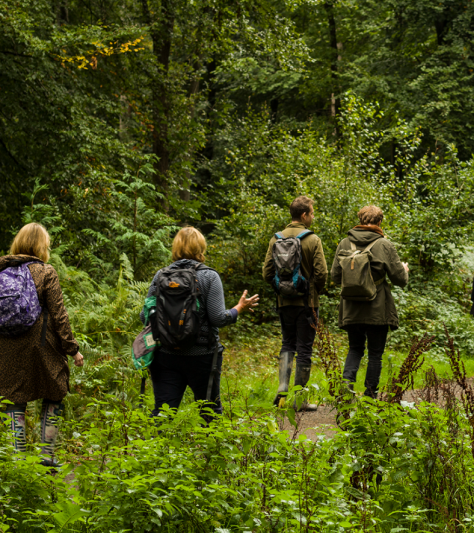
If you are visiting a woodland make sure you clean you footwear before you go and before you leave. The mud and leaf litter that you pick up could contain pests and diseases which we need to limit, and moving them to another site would cause more damage. Water and a quick scrub will do to start, but we would recommend an antimicrobial spray to keep standards high and reduce risks.
-
Be A Citizen Scientist
The more you notice about the trees you see, the better. If you see a tree that seems to be struggling or is unhealthy, or a pest that you don’t recognise, reporting it via TreeAlert[24], the online reporting tool, is one of the best things you can do.
-
Buy British Timber (with FSC approval)
Imported wood poses a risk to the health of our trees. Buying local where possible minimises the journey pests and diseases might take as well as supporting local industries to greater future resilience. Although border monitors work hard to guard against this spread alongside with plant protection agencies in various countries, minimising the risk is still important.
-
Be Safe Rather Than Sorry
We all have a collective responsibility to minimise risk to our environment. Not bringing home plants from trips, including fruit, seeds, etc, reduces the chance of invasive species being spread to new areas[25].
Further Reading:
- Plant Health Week: Planting woods for the future
- Action Oak: The State of the UK’s Oaks Webinar
- New Gone Foresting Podcast episode for Plant Health Week
- Robust Action on Oak Processionary Moth
- Creating Diverse Farm Shelter Belts
Resources