New guidance shows how woodlands can thrive alongside new beaver populations
The paper, published in the Quarterly Journal of Forestry, suggests that woodlands can benefit from beaver populations if managed correctly
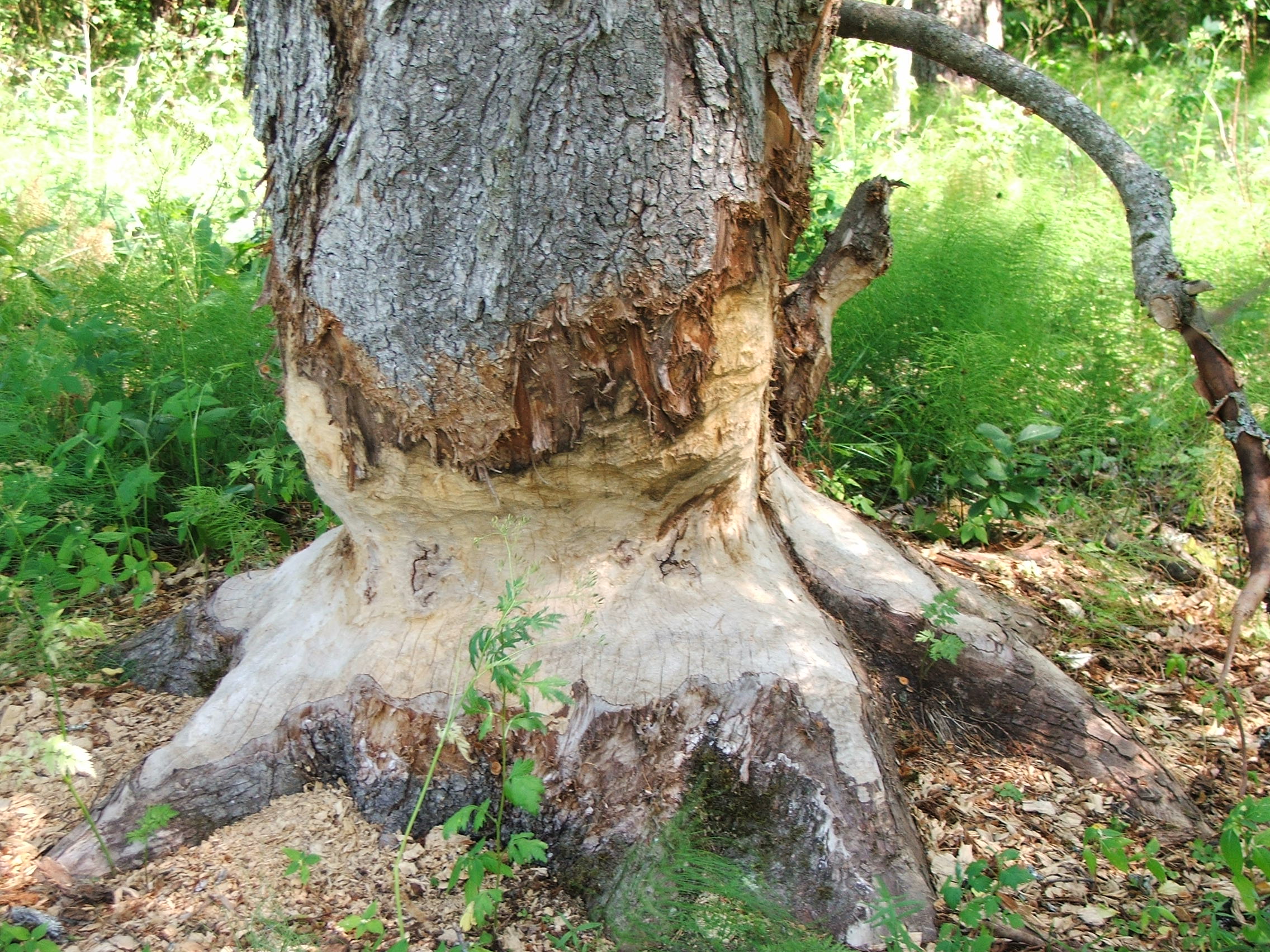
As beaver populations expand across the UK following the government’s historic commitment to wild releases, new research has provided the first guidance on managing woodlands where beavers are present.
The paper, published in the Quarterly Journal of Forestry, shows that rather than hindering woodland creation, beavers may actually enhance economic and environmental objectives if managed well.
As nature’s ‘lumberjacks’, beavers divide opinion among woodland managers and foresters, but this paper demonstrates that the large rodent may be misunderstood. Unlike the widespread damage to trees caused by deer or grey squirrels, beaver impacts are highly localised and self-limiting, typically affecting trees within just 20 metres of watercourses.
The author, Jon Burgess of the Forestry Commission, suggests that beaver activity can benefit woodlands by increasing structural diversity in the riparian zone that helps to boost their resilience. This is particularly important given that 50% of England’s woodlands are currently unmanaged and vulnerable to pests, diseases and climate change.
“I became aware that much of the literature on beaver focused on creating habitat for them or protecting crops and land against them,” Jon Burgess said. “There was nothing for the forester who was comfortable with the presence of beaver but needed advice on maintaining a healthy woodland. I hope this paper fills the gap for other foresters interested to know more”
According to Burgess, beavers can undertake actions that have similar effects to beneficial management techniques such as thinning and coppicing. This increased dynamic open space is vital for allowing light into the understorey, enhancing structural diversity and boosting resilience. After felling a small tree, observations show that beavers will allow the tree to regrow before returning to coppice again. In actual fact, the greatest threat to the tree’s survival is subsequent grazing from deer.
The paper synthesises extensive European research where Eurasian beavers have been re-established. These findings were then used to predict their interaction with UK woodlands. The research suggests that beavers are “choosy generalists” when selecting trees, showing preferences for species like willow, aspen and birch, while avoiding resinous conifers. This selective behaviour opens up possibilities for woodland design that accommodates the needs of both beavers and trees.
There may even be economic advantages, especially on agricultural land affected by beaver activity. The paper suggests that this land could be converted to grant-eligible riparian woodland if the woodland design fits the scheme rules.
A theme of the paper is the importance of careful management, as the presence of beavers is not without risk. They dig burrows and channels into river banks, and build dams which can cause flooding to adjacent land, which poses a risk to agricultural land and built infrastructure. Orchards, veteran trees and timber-producing woodland can all be seriously impacted. It is vital that landowners understand how they can accommodate beavers and how they can work with neighbouring landowners to minimise risks whilst maximising the benefits.
Burgess suggests creating 20-metre buffer strips of “sacrificial” palatable species near watercourses, interspersed with less palatable trees. Providing an adequate source of food and ‘building material’ will encourage beavers to settle within a small area. He also recommends increasing planting density within 10 metres of water to allow for tree loss whilst mixing in some unpalatable trees (like pine) if the wood is managed for timber.
The paper also proposes a method for assessing the risk of flooding where a beaver family is present. The review highlights that beaver activity can be predicted relatively easily and new woodland can be designed to accommodate them while still achieving forestry objectives.
Burgess added: “I hope this work will reduce the uncertainty that the increasing presence of beaver brings to woodland managers. I am confident that with some thoughtful changes to the woodland the risks that they bring can be adequately managed. For me the benefits of the beavers heavily outweigh the downsides and we can safely accommodate them as another asset in our woodland ecology.”