Forestry innovators recognised at Royal Forestry Society Awards
The RFS Excellence in Forestry (EIF) Awards 2025 spotlight innovation, resilience and community impact across the South West’s woodlands
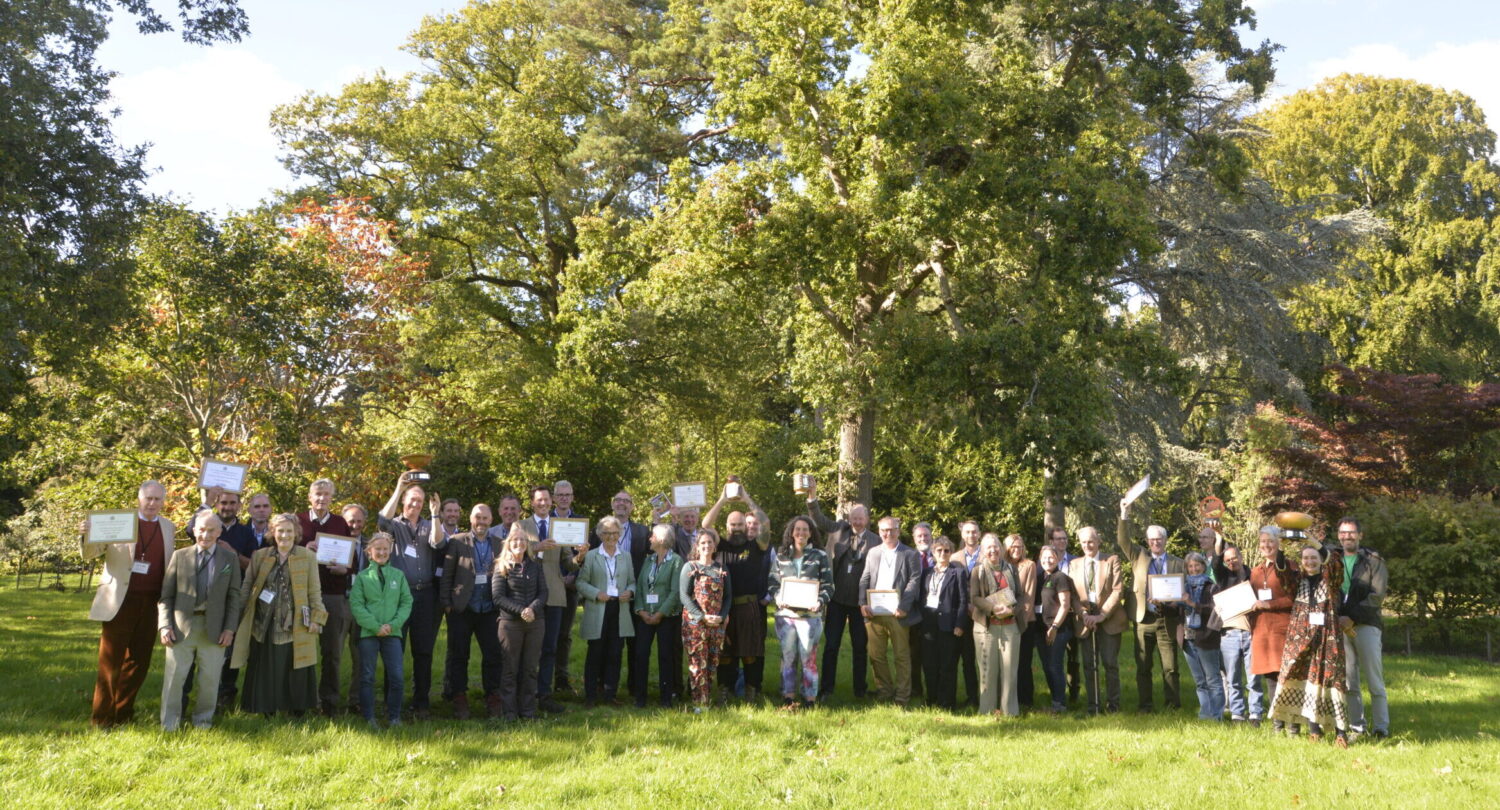
Leading woodland stewards have been recognised for transforming landscapes, serving communities and championing sustainable forestry at the Royal Forestry Society’s Excellence in Forestry Awards 2025.
Taking place today (25 September), the event celebrated the full breadth of forestry in the South West of England, from innovative silviculture and climate adaptation to grassroots community projects.
Gold and Silver awards were presented across five categories covering excellence in multi-purpose forestry, timber production, small woodlands, education projects and community woodlands.
Climate resilience takes centre stage
The Perridge Estate took home the prestigious Duke of Cornwall Award for Resilient Multi-Purpose Forestry, sponsored by Savills and TreesPlease. The 276-hectare estate, owned by Sir Harry Studholme and managed with forestry advisor Chris Marrow, exhibited an impressive long-term approach to resilience and climate change adaptation.
Judges praised the estate’s sophisticated approach to uncertainty. The estate has employed long-term weather monitoring methods to build knowledge of changing forest conditions, while trials of more southerly Douglas Fir seed sources and experimental species plantings are helping prepare for tomorrow’s climate. Perridge looks to its rich history of woodland management spanning four generations while keeping a keen eye on the future, researching soil carbon levels and employing drones to carry out deer surveys.
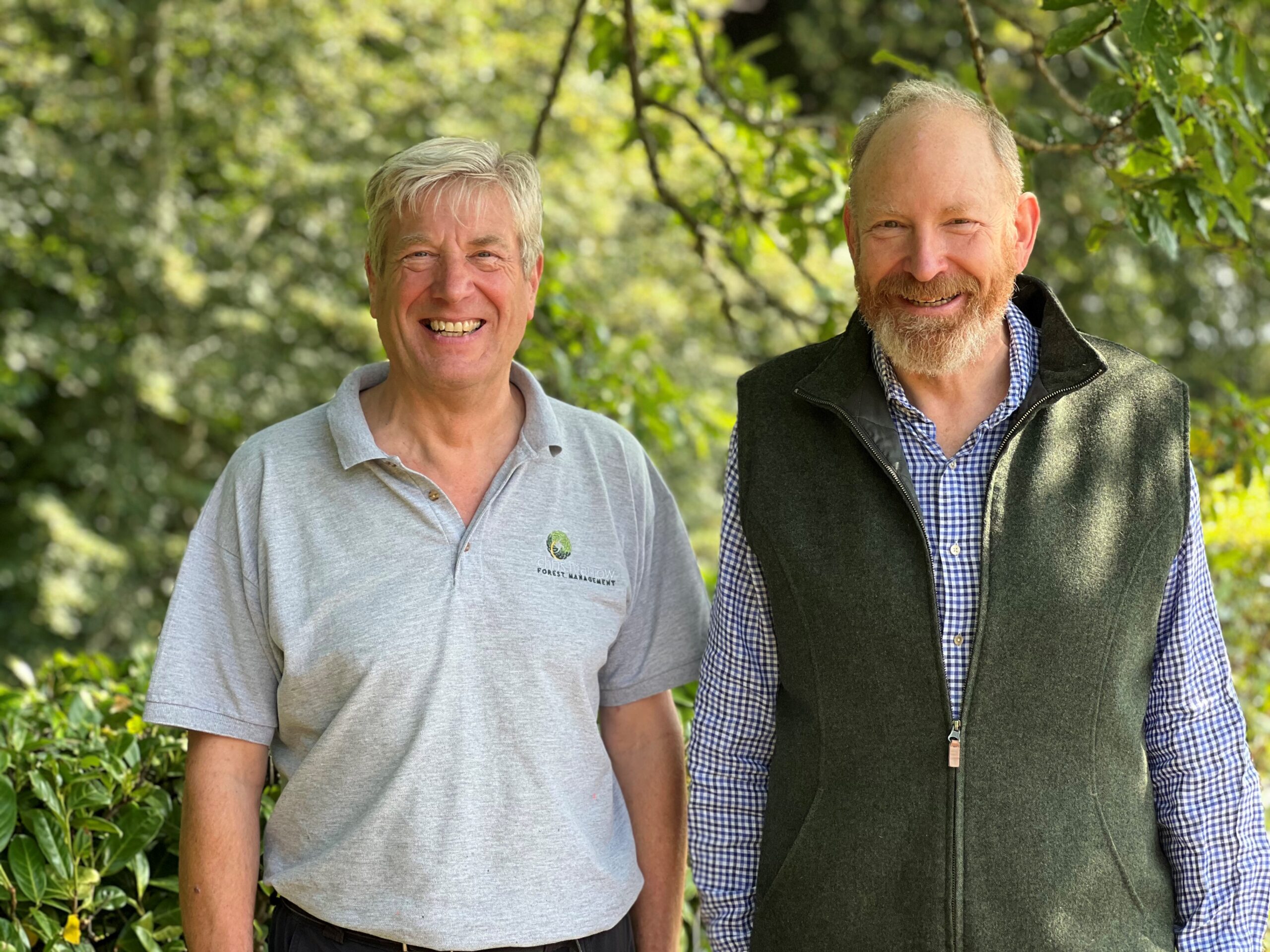
“For everyone connected with the woods this award is a great excitement and an honour. The forest is the result of so many people’s work not just now but over decades and we are proud of what we are doing to grow resilience. The award gives us more opportunity to talk about what we are doing and the urgent need in Britain to adapt forests to future climates.”
Judges praised the estate’s engagement with English Heritage over scheduled monument protection and comprehensive work with local communities and government bodies. Regenerative thinning, adoption of continuous cover forestry methods and embracing natural disruption are all part of the estate’s commitment to future-proofing their woodlands.
Silver recognition went to Miserden Estate, where owner Nicholas Wills and forestry advisor Bill Ayers have tackled ash dieback and challenging sloping valleys to establish an impressive productive woodland. Their integrated management approach includes flood alleviation benefiting downstream communities, careful habitat management and innovative use of Belted Galloway cattle in wood pasture systems.
“The vision at Miserden is to maintain a diverse, resilient continuous-cover woodland that benefits both flora and fauna, while balancing commercial objectives with environmental stewardship,” said Nicholas Wills. “We are delighted that the efforts of our forestry team have been recognised.”
Excellence in timber production
The Bede Howell Award for Excellence in Silviculture, sponsored by Tilhill, had the most entries and strongest competition. Gold was awarded to Buckland Wood, where Ralph Nicholson’s quarter-century vision has transformed 40 hectares of arable land into exceptional timber stands. Zero evidence of squirrel damage in vulnerable crops is a testament to Nicholson’s rigorous control efforts.
The judges noted the meticulous planning at Buckland, where landscape, timber production and nature conservation all come into play. The enterprise recently introduced a new on-site sawmill, built entirely from estate timber and serving Ralph’s son’s glulam construction business, Buckland Timber.
Runner-up Haddeo Woodlands was praised as a “fine example of growing quality timber on a difficult site”. Bernard and Catherine Dru’s 320-hectare operation required installing nearly 25 miles of zig-zagging forestry tracks across steep valley sides to make timber harvesting possible. In spite of these complex conditions, the estate produces impressive stands of oak and younger conifers.
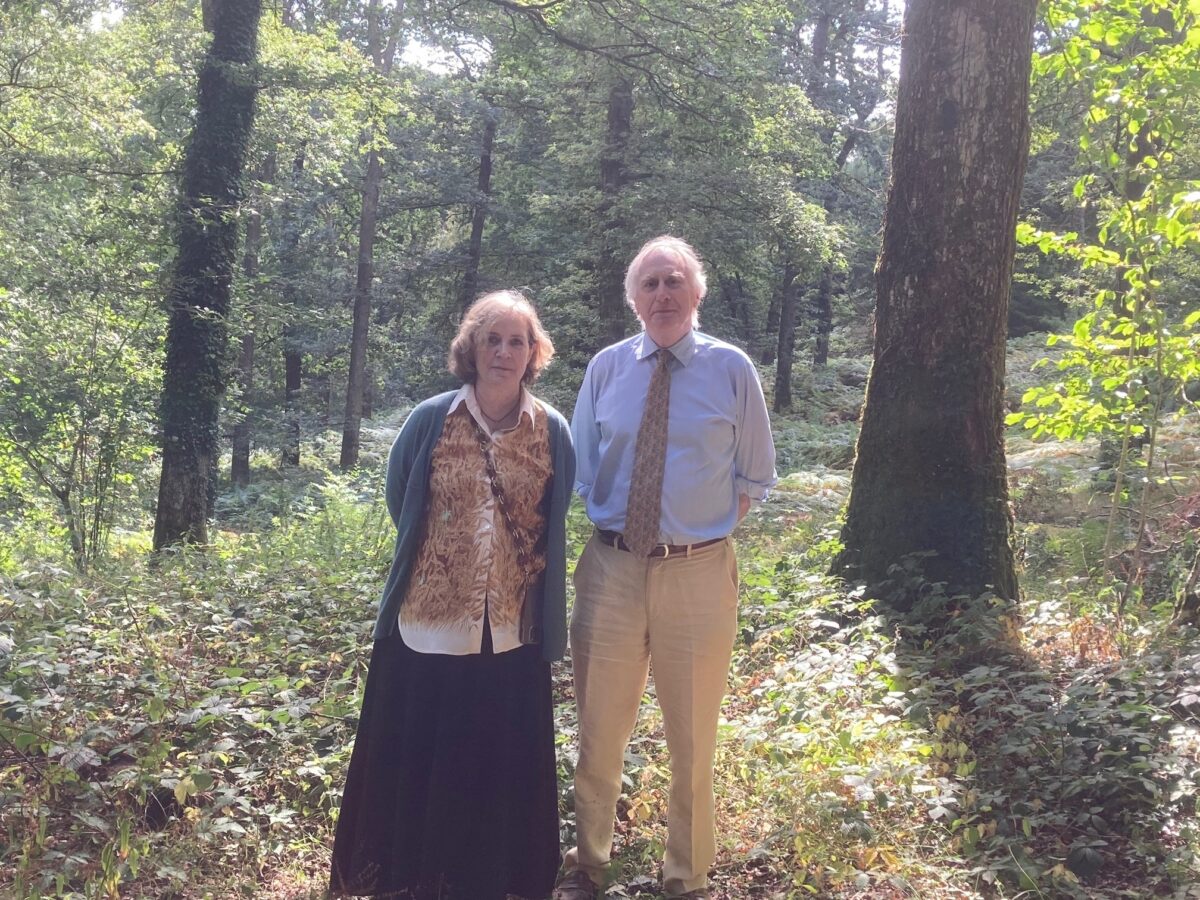
The couple also demonstrated resilience and creativity when facing difficulties marketing their oak. Establishing a high-end oak flooring company, they showcase the unique qualities of their French-origin oak in period and listed properties.
Small woodlands making big impacts
Moreton Wood claimed the top prize in the FSC-sponsored Small and Farm Woodlands category, where Joanna Callaghan and Paul Morton’s 16-hectare operation shows how sustainability and profitability can thrive together.
Twenty years of dedication have produced a zero-waste, fully-utilised, self-sustaining woodland. Their mixed coppice rotation produces charcoal, firewood, faggots, hurdle rods, hedging materials and construction timber. These products are all processed on-site with a mobile mill and are sold locally thanks to Joanna’s intelligent approach to marketing and extensive network.
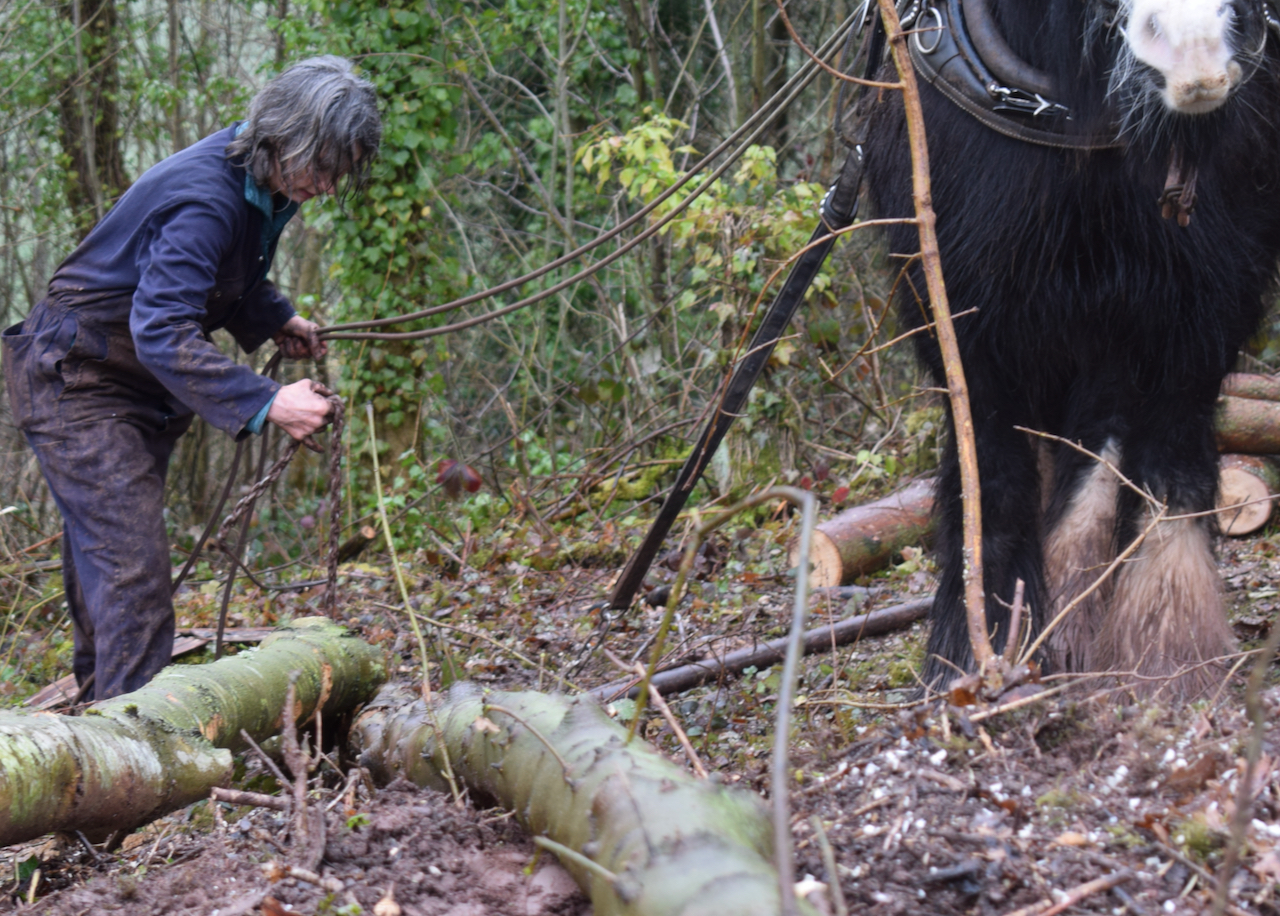
“We are passionate about woodland management and biodiversity. We have worked really hard for over 20 years to restore Moreton Wood and have loved every minute of it despite the challenging nature of this type of work. It is so great to have this work acknowledged and celebrated by such a well-respected organisation.”
The operation’s educational outreach ranges from school visits to hosting forestry trainees. Paul and Joanna’s hands-on approach proves that smart management and hard work are key to a thriving woodland business.
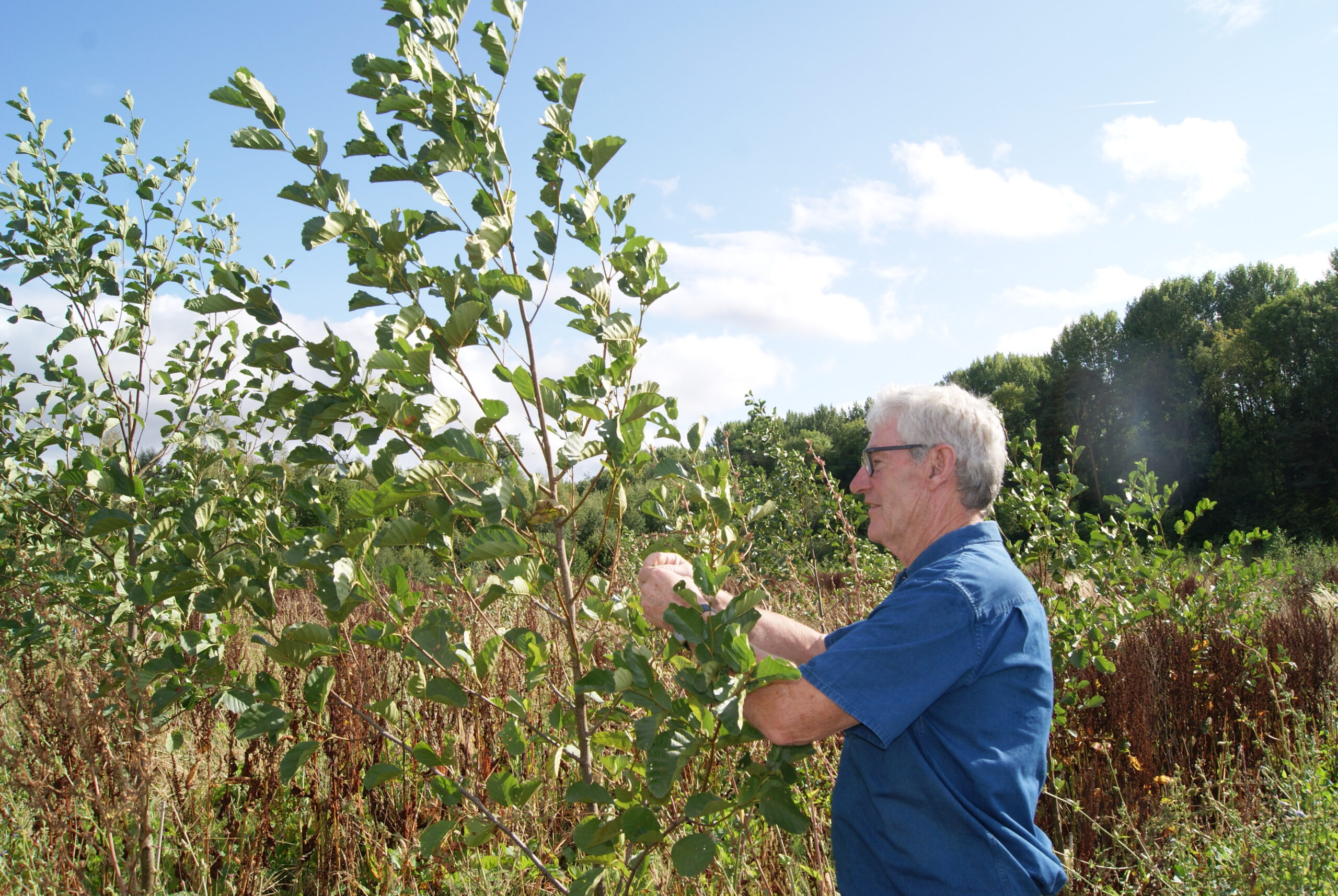
Silver went to Devereux Wootton Farm, where Patrick Wrixon has added ten new plantations to his farm. Judges commended the well-established woodlands of birch, alder, cherry and oak which were carefully designed to blend with the landscape while providing important benefits to the local community.
“I am not a forester but I am a farmer who loves trees and so I am equally surprised and delighted to receive this award,” said Patrick. “My prime reason for entering the competition was to highlight and promote the benefits of one of the alternative uses of woodland, namely the therapeutic value of the woodland environment to those suffering from mental trauma of some kind.”
Putting communities first
Two exceptional woodland projects were recognised for their outstanding service to communities in the Woodland Trust-sponsored Community Woodlands of the Year Award. The judges noted the wide range of benefits these woodlands provide, from supporting pupils with special educational needs to encouraging diverse communities to connect with nature.
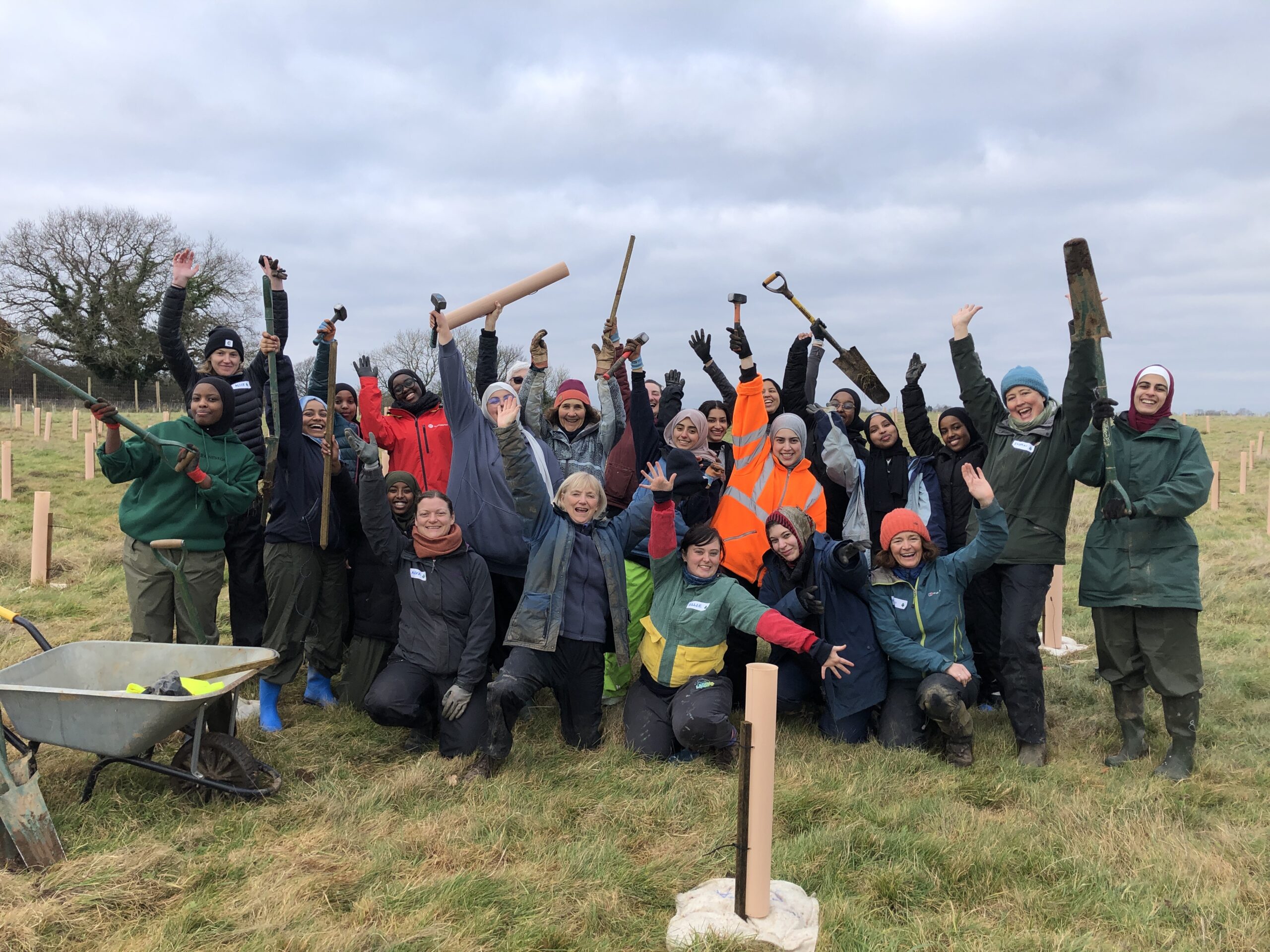
Great Avon Wood, part of the wider Forest of Avon community forest, received the Gold Award, with judges praising its impressive portfolio of benefits while still being in its infancy. Delivered by the Charity Avon Needs Trees, the 113-acre woodland creation project seeks to tackle the climate crisis, tackle flood risk in the Chew Valley and provide a space for the community.
The woodland has welcomed over 10,500 visitors in 18 months and established partnerships with the likes of Black2Nature and Bristol University. With over a thousand volunteers getting involved each year, judges were impressed with how quickly the initiative has connected with local communities.
“Our work with the public particularly focuses on engaging and empowering children, young people and communities most likely impacted by future climate change. We are indebted to all of our volunteers who show up time and again and in all manner of weather to dedicate their time and skills to the management of our woodlands.”
Combe Hill Wood in Somerset was awarded Silver for its accessible, inclusive approach. The 65-acre mixed woodland on the Polden Hills welcomes an estimated 2,000 visitors on busy summer weekends, providing crucial support for special educational needs pupils through partnerships with Avalon School.
The judges were struck by the site’s relaxed, low-key ethos that allows visitors to enjoy the woods as they choose, while woodland manager Oliver Frost was praised for the work being done to gradually diversify the tree cover and improve habitats for invertebrates and butterflies.
“The Trust’s objectives for Combe Hill Wood has always been to provide access to all space for people of the local area,” said Oliver. “This is met with a desire to show that this can be done while growing high-quality timber and creating a biodiverse and resilient woodland. We are thrilled that this award recognises our ongoing efforts to achieve this.”
Nurturing the next generation
Sponsored by The Duchy of Cornwall and PEFC, the Education and Learning Award highlighted the critical importance of engaging children and young people with forestry and woodland management.
Children of the Forest earned gold for Lewis Ames’ innovative work near Uffculme, Devon, where a lack of set curriculum particularly supports neurodiverse children. He follows the children’s interests intuitively, creating an environment where critical thinking, idea-sharing and self-directed engagement thrive.
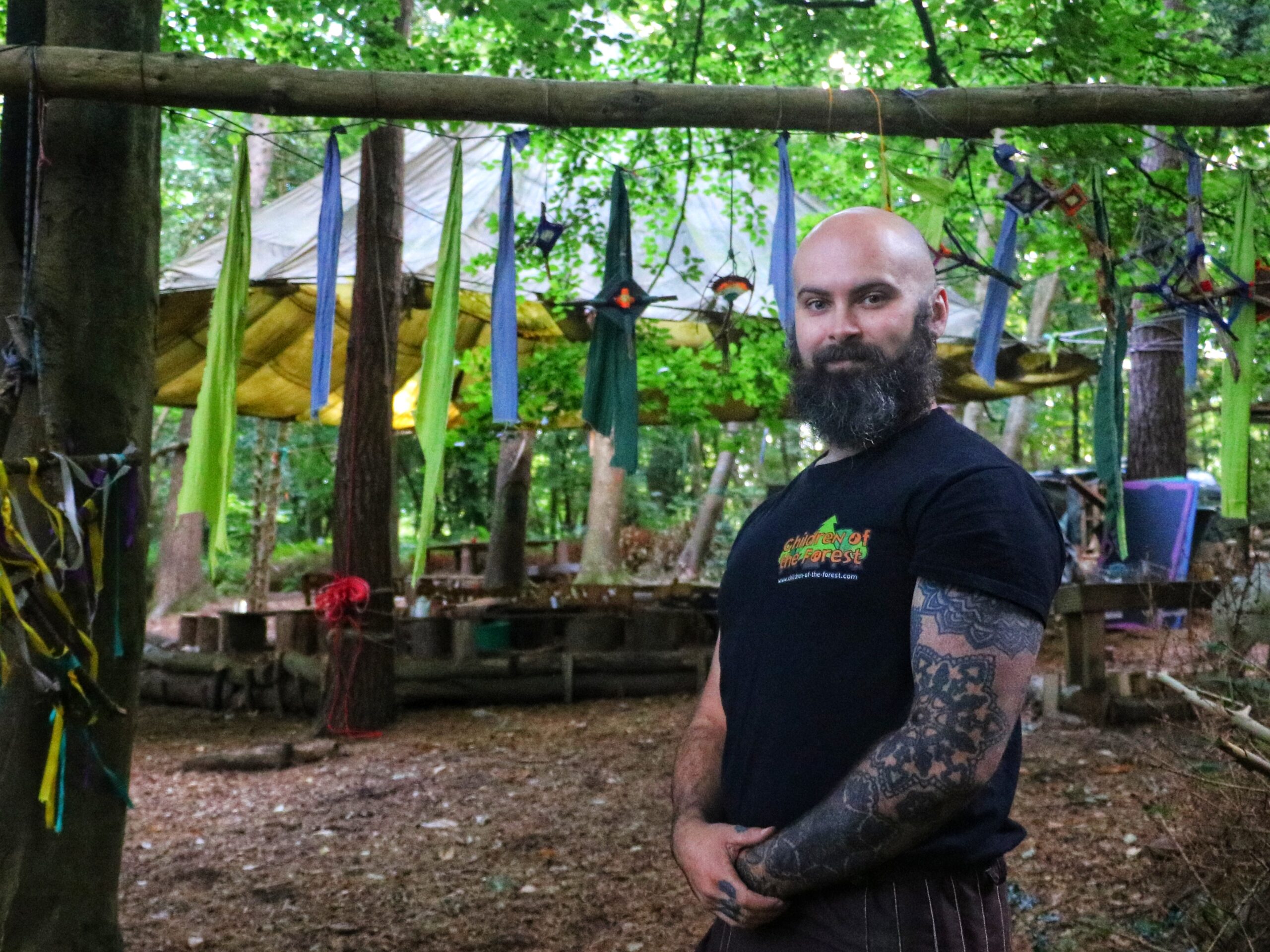
“It means a great deal to have our work recognised. We’ve been working in Forest School for over a decade, and we feel very fortunate to combine our in-person sessions here in Devon with our far-reaching podcast. This gives us the flexibility to develop holistic, non-judgemental and authentic communities on the ground, while also sharing our reflections with thousands of listeners every week as we explore what it means to hold space for people in nature.”
Silver was awarded to Madley Primary School in Herefordshire, which has embedded outdoor learning throughout its curriculum. Judges described the school as an exemplar for how to embed outdoor learning into school teaching, with outdoor learning creatively woven throughout every topic from early years to Year 6. The school’s partnership with The Duchy Of Cornwall has flourished over a number of years allowing its pupils to experience a working woodland, inspiring the next generation of foresters.
From the Perridge Estate’s work in climate adaptation to Children of the Forest’s forward-thinking approach to education, this year’s winners share a commitment to building resilience in woodlands, communities and the next generation of woodland stewards.
The RFS wishes to thank all winners, judges and nominees for their hard work and dedication, and look forward to hosting the 2026 awards in London and the South East next year.
Find out more about the Excellence in Forestry Awards here.