Makeover at Muddybrow
When Storm Arwen uprooted mature beech and oaks in a steep rocky woodland on the eastern border of the Lake District National Park, there was no obligation to restock. Our Grants for Resilient Woodlands helped tip the balance.
The site: Muddybrow
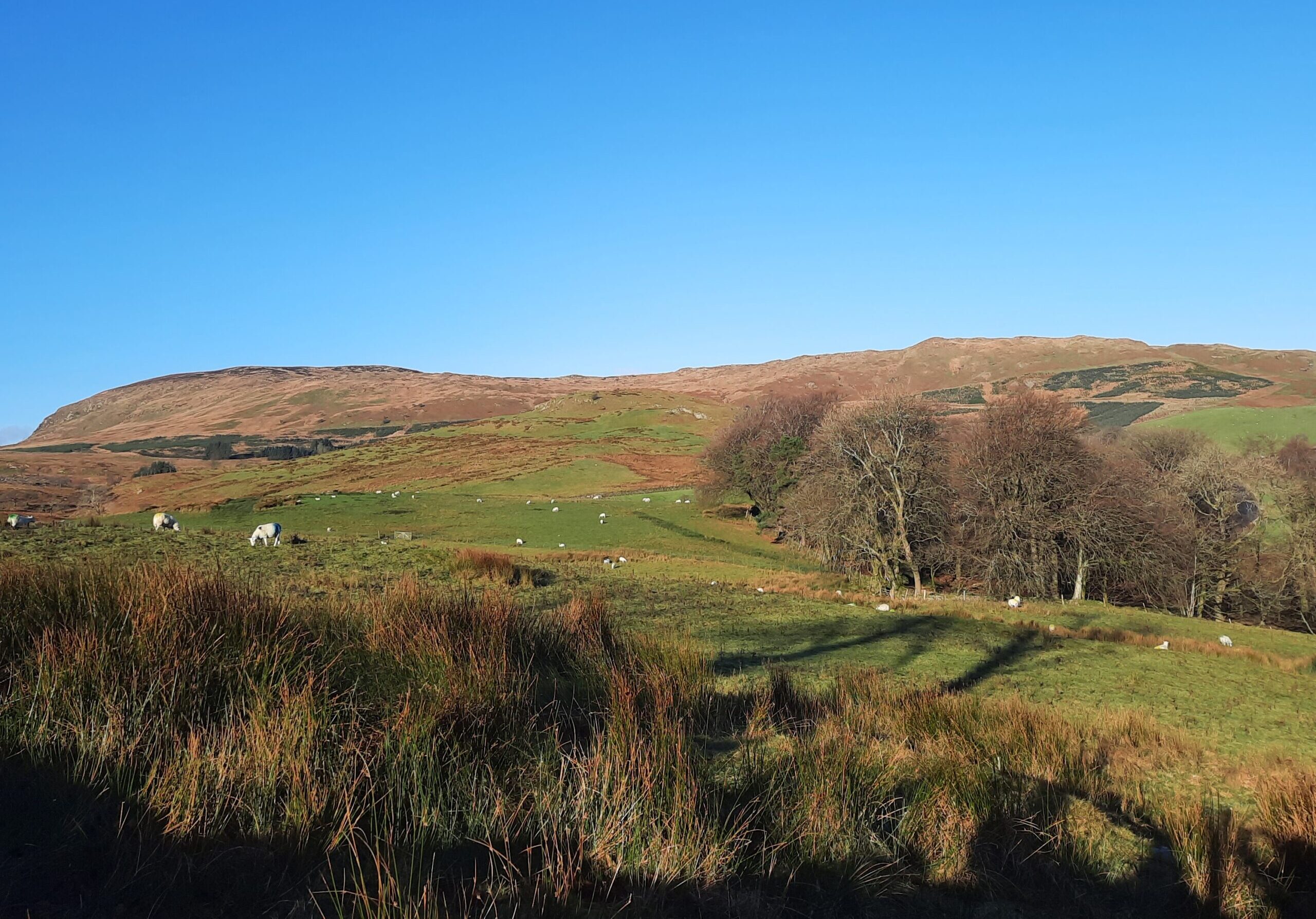
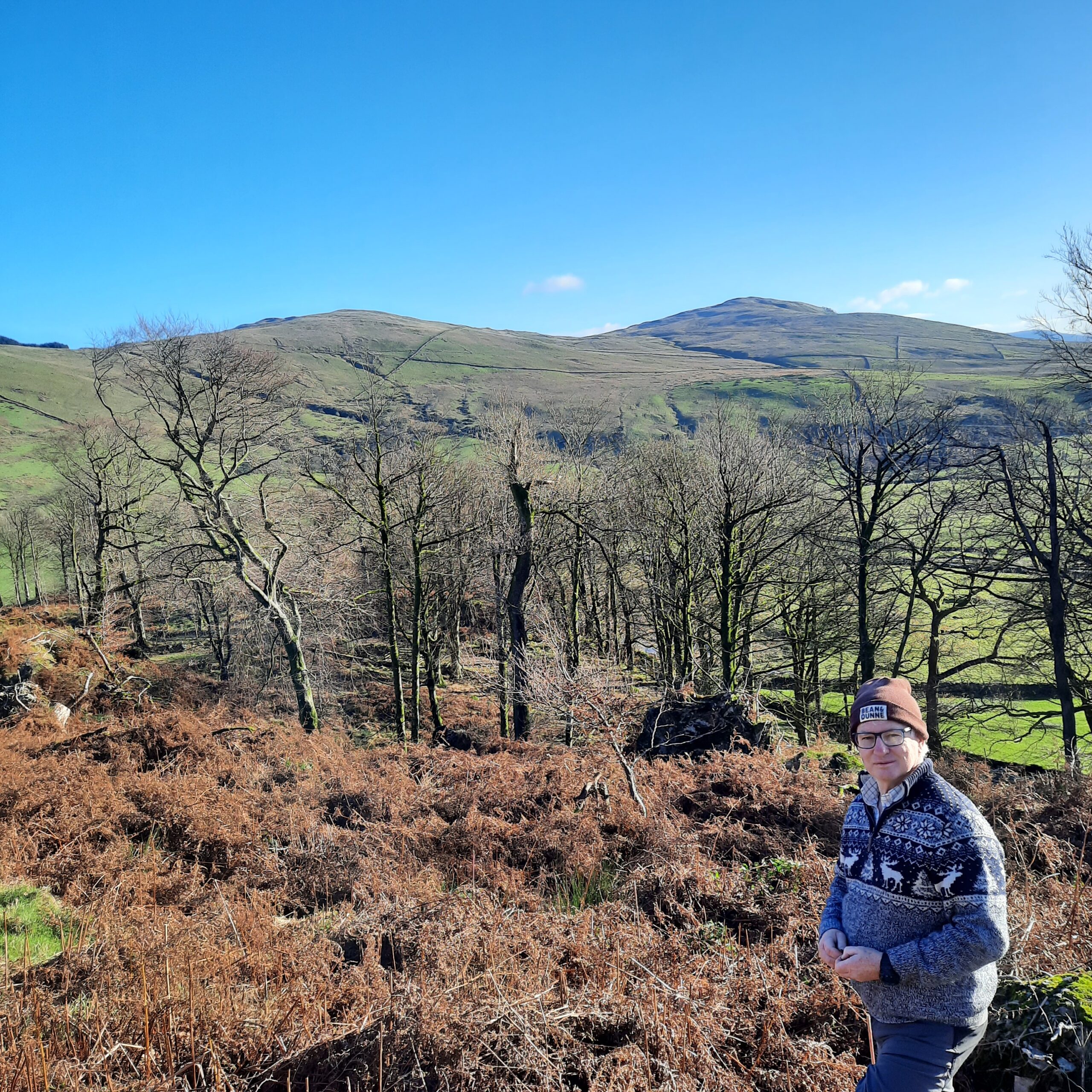
Muddybrow is a 10.4ha woodland on the eastern border of the Lake District. It lies next to the A6 near Selside, south of Shap and north of Kendal. It is within an upland landscape and a Priority Habitat Area for red squirrels and falls within the Forest Hall Farm, part of the Levens Estate.
Prior to Storm Arwen the woodland was known for mature beech trees, some up to 300 years old, and English oak trees. Every spring there is a carpet of bluebells.
It is:
- a visual landmark for drivers travelling the A6;
- a special place to roam for the owners; and
- full of happy childhood holiday memories for woodland consultant Jackie Dunne from Dunnewoods,who used to stay with her older sister in Toll Bar Cottage on the edge of the woodland.
This much-loved bluebell wood has now been sensitively restored. Thanks to our Grants for Resilient Woodlands, a range of tree species have been planted. These provide habitats for red squirrels, benefit biodiversity and slow water run off.
Storm Damage
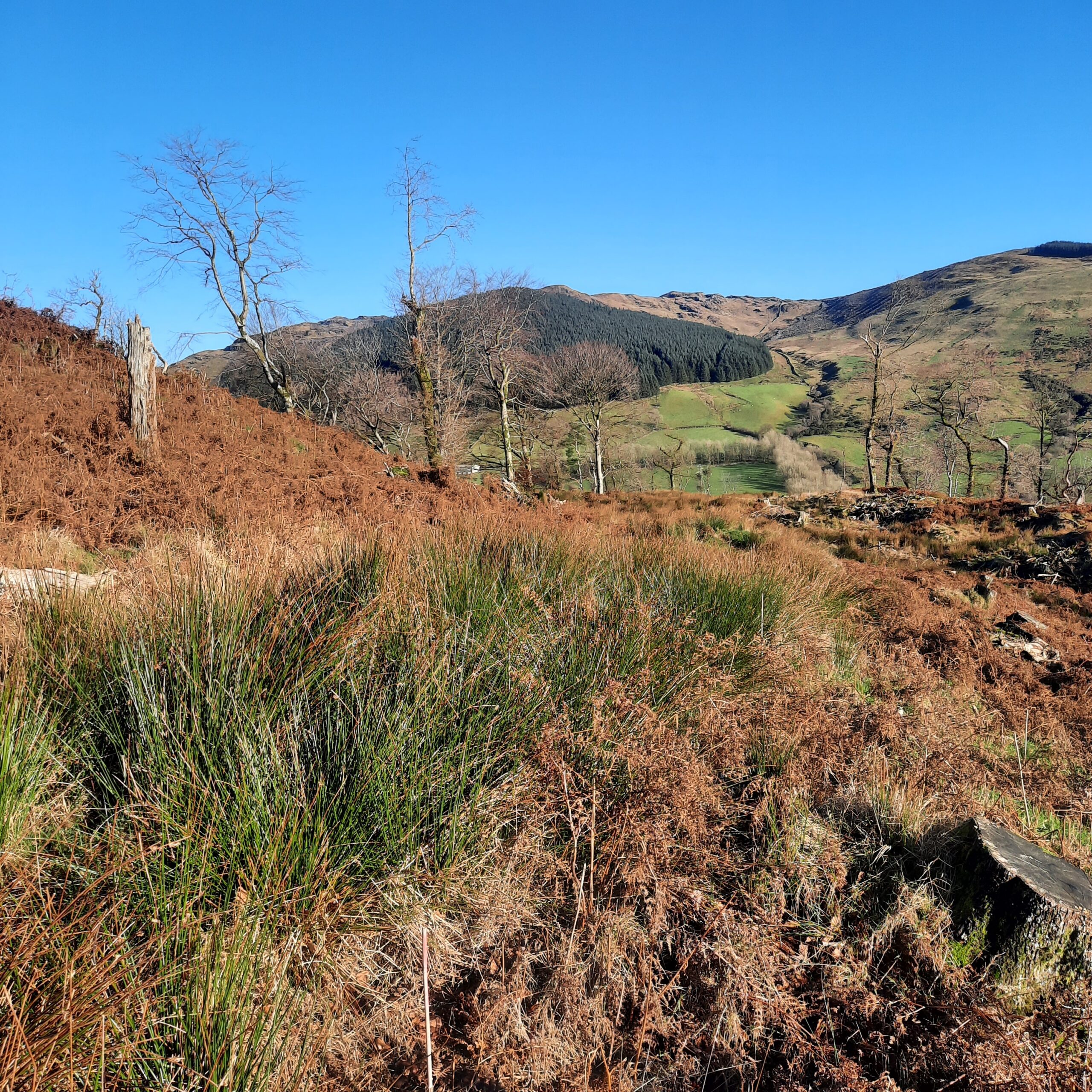
Muddybrow’s is rocky and steep with up to 1:16 inclines in places. The woodland canopy was made up of mature, semi-natural trees of several age classes. They had survived winds from the west and the south for decades.
In November 2021, Storm Arwen blew in from the north east over Bretherdale Head with gusts of up to 110mph. A swathe of beech trees and oaks in Muddybrow toppled, leaving upturned roots, criss-crossed stems and huge broken up tree crowns. Access through the wood for the farm was blocked. Significant damage was caused to the dry-stone wall boundaries.
Site Clearance
The site is managed by Jackie Dunne from Dunnewoods. It was surveyed and clearance work planned with Euroforest in 2022. The site posed a significant challenge requiring multiple handling activities, operator expertise and safety management.
Clearance of the smashed tree crowns had to be carried out section by section by manual felling. Felling had to be stopped from time to time to enable the excavator with a grab to enter the felling zone safely to clear away the cut timber. It was a slow process just to create access to the larger tree stems. These then had to be cut into sections as they were often on top of each other.
Once stems were cleared, most of the large upturned roots were winched back into their original resting place to help retain soil and restore the landscape. This was again a difficult job. Many had slipped down the slopes or into the rocks and the machinery had to work against gravity.
The timber was extracted by forwarder to the woodland boundary, where a 50m length of dry stone wall was dismantled to create a roadside area suitable for stacking the timber.
Due to the steepness of the wood, water runoff had to be managed and continually monitored. To manage any rainfall flow, water pits were hollowed out by excavators across the slopes and silt pits created at the bottom of the slope.
Local people bought the fallen wood, mainly for fuel. Once the slopes had been cleared, the dry stone wall was re-built at a significant cost to the farm. A fenced area was left for future access.
Species choice
The main management objective is to create a biodiverse and robust forest stand.
The underlying geology is Carboniferous limestone with surface water gley soils. Species were chosen by reviewing site conditions, the history of the site within its location and utilising tools such as ESC (the Ecological Site Classification).
A mix of nearly 2000 cell-grown silver birch, Scots pine, Norway spruce, Douglas fir, sessile oak, rowan and crab apple trees was supplied by Cheviot Trees, a Plant Healthy certified supplier. Cell-grown trees were considered more likely to survive than bare-root trees in such a rocky environment:
Norway Spruce: 8% – 150
Douglas fir: 10% – 200
Silver birch: 24% – 450
Scots pine: 24% – 450
Sessile oak: 24% – 450
Crab apple: 5% – 100
Rowan: 5% – 100
Scots pine, Norway Spruce and Douglas fir with oak were chosen to provide good canopy resilience. The conifer seeds will particularly benefit red squirrels as well as the small, seeded broadleaves. Crab apple and rowan were included to develop a wildlife-friendly and windfirm woodland.
Beech was not included in the planting mix. They are expected to naturally regenerate along with sycamore, birch and holly. This will provide additional diversity to the woodland structure. The shallow root structure of beech in such a rocky environment can make it continually vulnerable to storms, but as a smaller part of the overall mix, the natural regeneration is welcomed.
Some oaks, Scots pine, sycamore, birch and beech survived the storms alongside cherries planted 20 or so years ago. This has already started to create a good, multi-age structure of trees.
Planting
Contractor Alistair Little undertook the difficult task of planting in early 2025.
Compartment One
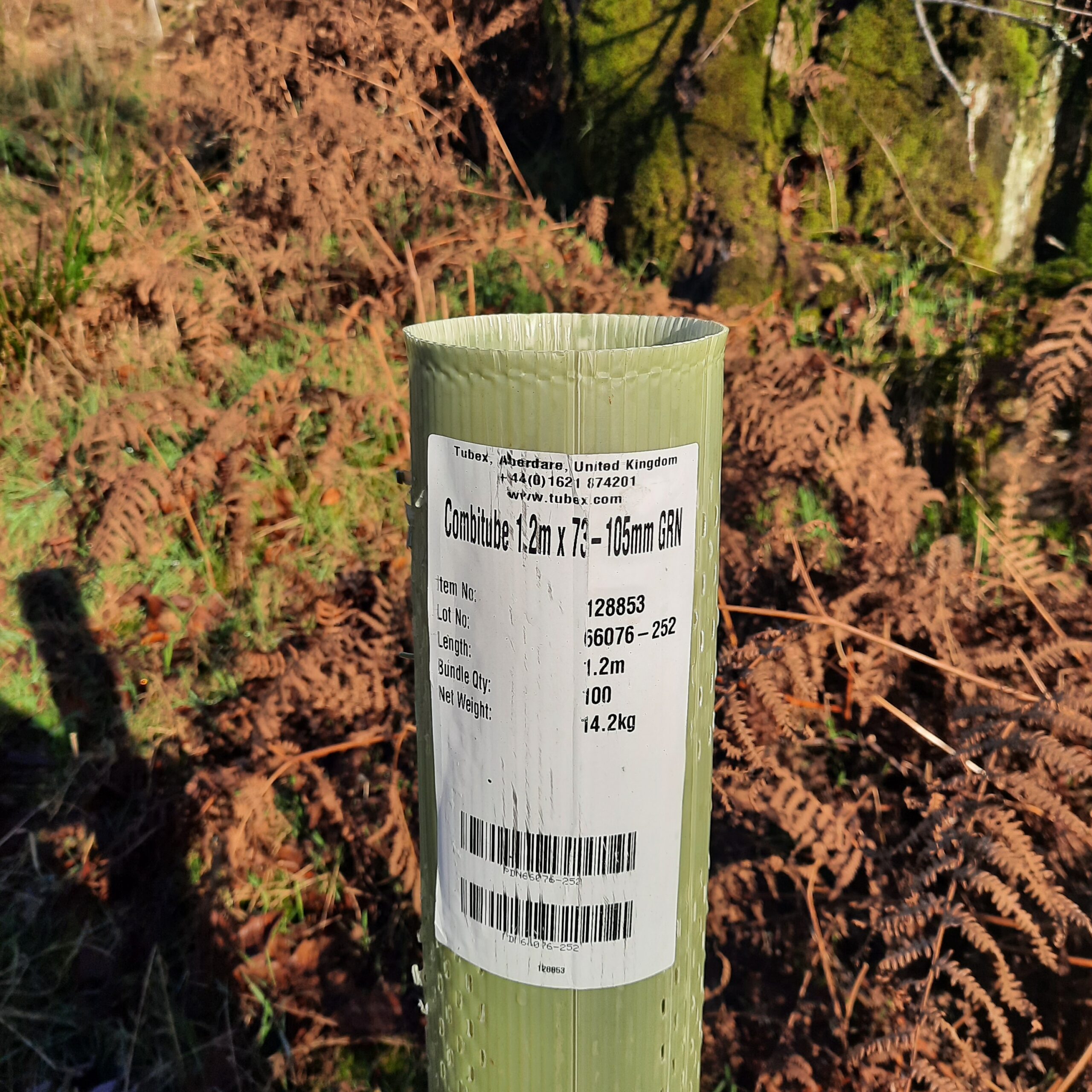
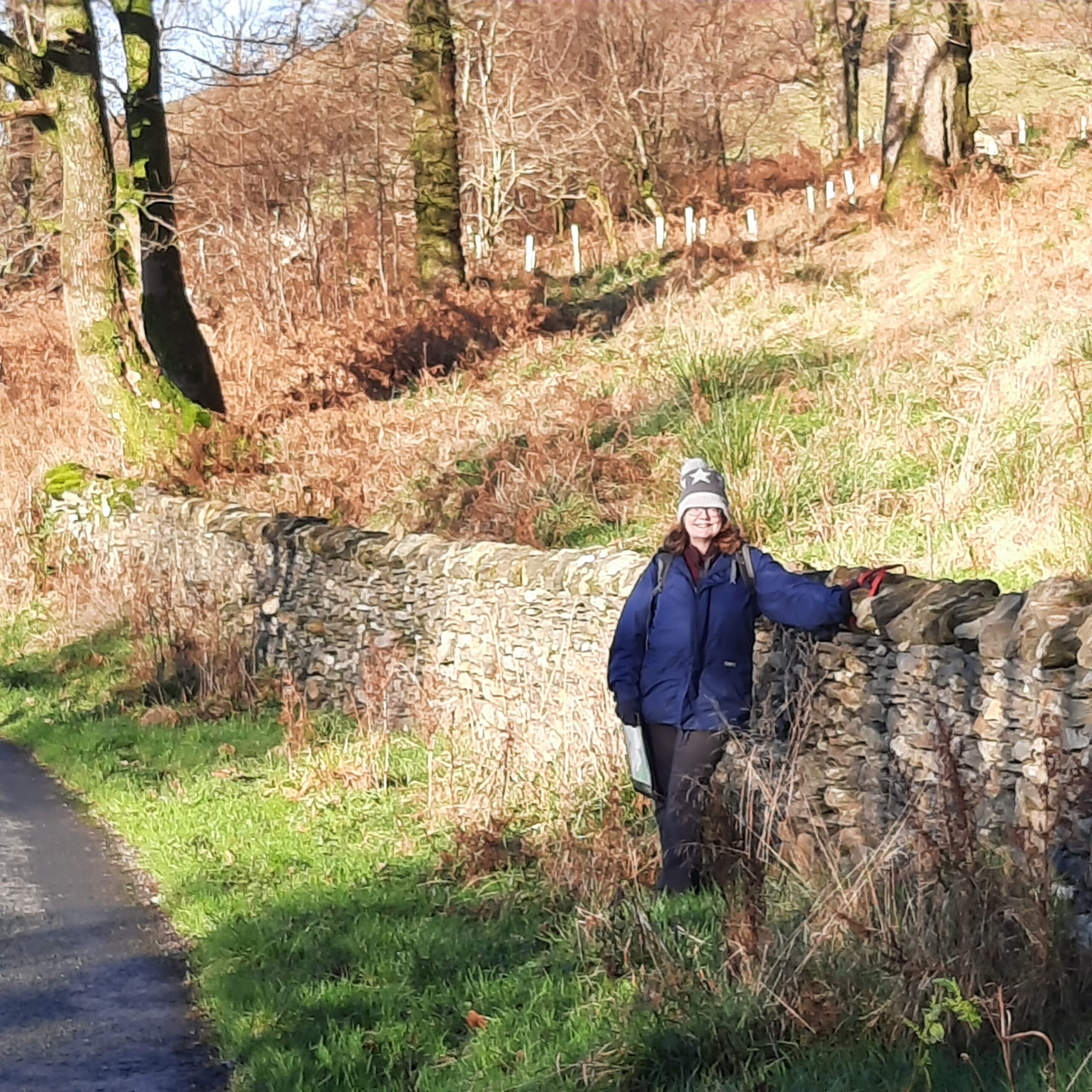
This compartment was not deer fenced and runs cross the lower area of the wood. Mixed species groups of trees were planted where extraction had created gaps in the canopy and where the terrain allowed. The trees were planted within ventilated 1.2m Combi tubes. Ventilated tubes improve airflow. Jackie believes that this benefits the young trees, preventing mildew and too fast growth of species such as birch and alder.
Around 200 of the total 1,900 trees were planted within Compartment One.
Compartment Two
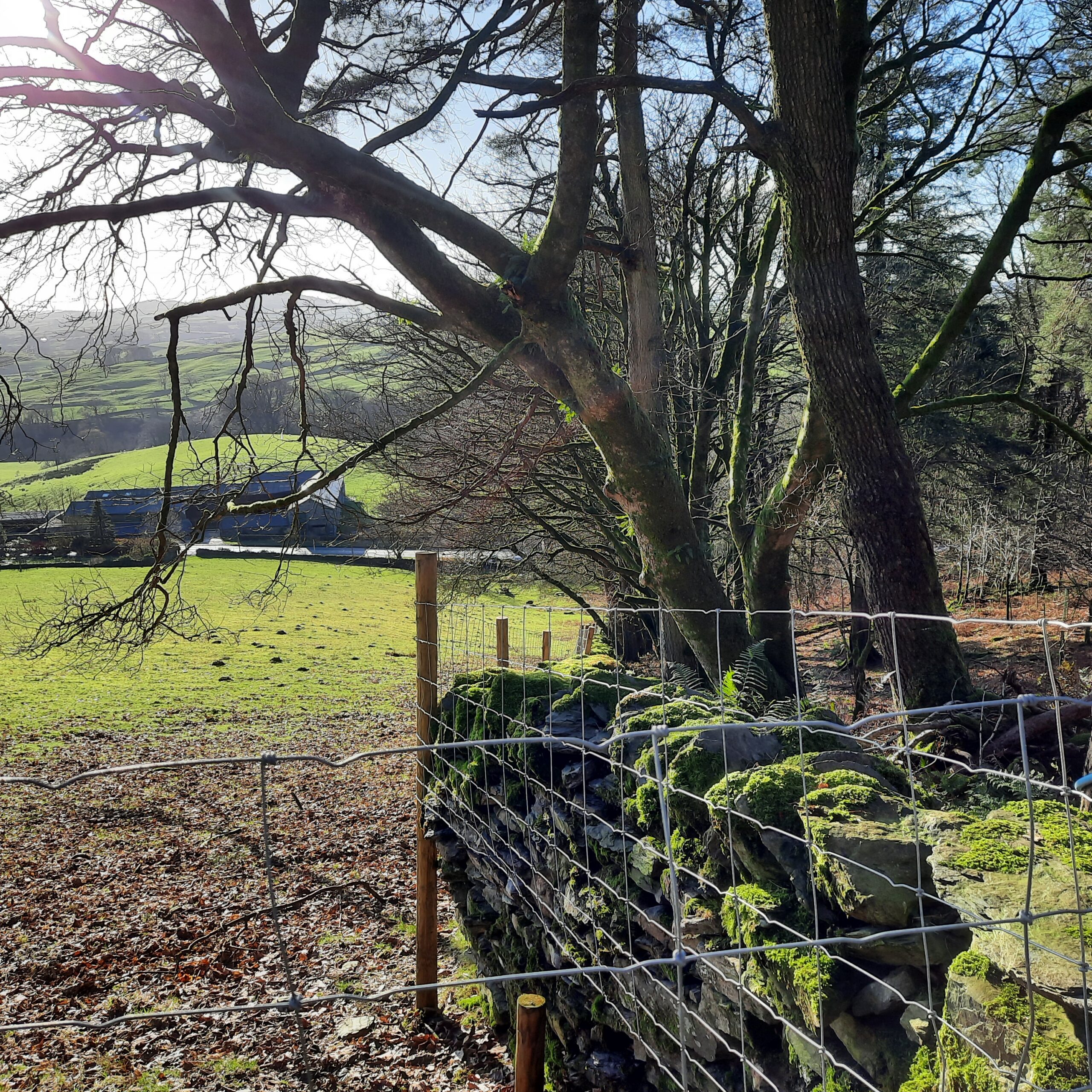
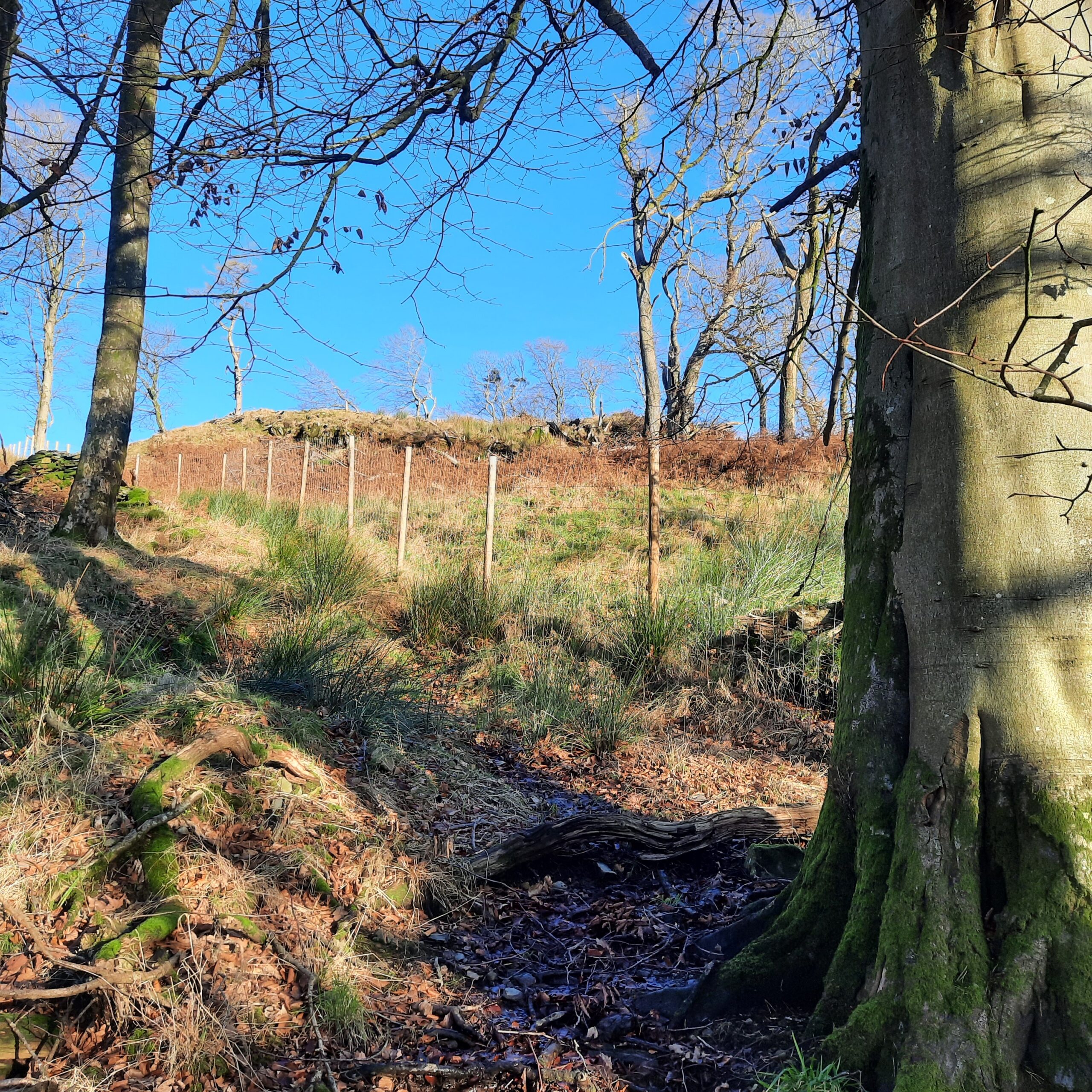
Across the top of the site, where most of the storm damage occurred, two deer-proof fenced enclosures were created in 2023. The fencing proved a difficult task on such rocky terrain.
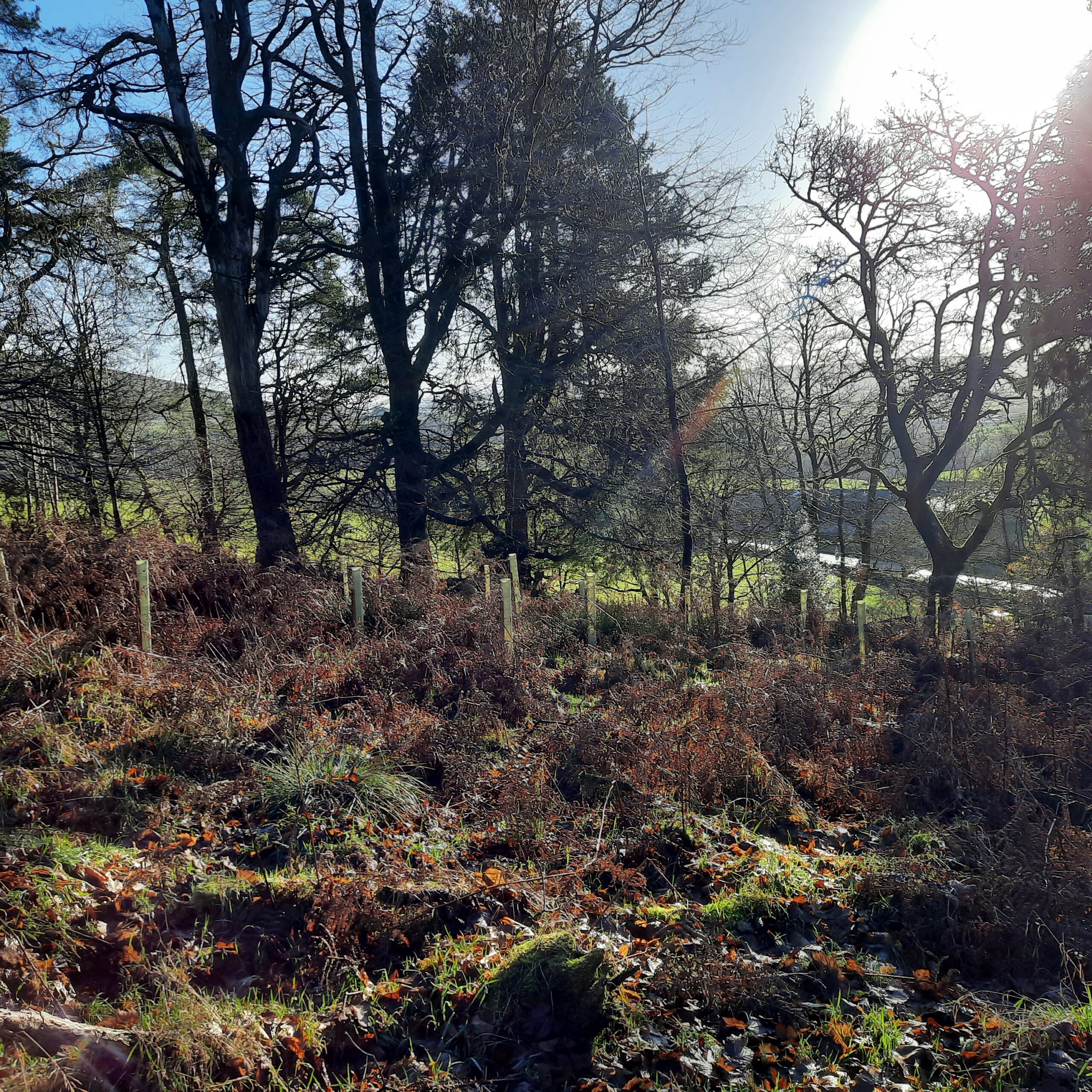
The remaining 1700 trees were planted within the deer fencing. They were planted in group mixes and marked with stakes. This was achieved at as close to 1100 stems per hectare as ground conditions would allow.
Rowan and crab apple were planted mainly closer to the wood edge.
Trees planted in Compartment Two were also treated initially with TRICO deer repellent due to the risk of deer incursions and the ease of application of TRICO.
Care and maintenance
The loss of so many mature beech and oak trees created large gaps in the canopy. As a result of more light on the ground, bracken has spread and grasses have thrived. This will be hooked away from planted and regenerating trees. Bracken control is supported by the current Countryside Stewardship grant funding on the woodlands.
In Compartment One, there is healthy growth of trees within most of the tubes, particularly the Scots pine. A few tubes have been damaged, possibly by deer or wind.
In Compartment Two, two further storms toppled additional trees shortly after planting. Tree and branch falls breached the deer fencing. This was repaired but not before seven stags had found their way in. The stags caused considerable browsing damage.
This is a landscape where red and roe deer are frequent visitors. Deer are controlled across Shap Fell and the enclosures deter entry. The fences are surveyed and any breach is actively managed. There is also ongoing grey squirrel management with the support of Penrith & District Red Squirrel Group.
Looking Ahead
Beat up is planned in early 2026. An additional 250 trees have been ordered, including the addition of common alder for some of the wetter hollows. Around 50 will be used to replace trees lost within the tubes. The remainder will replace those lost within the deer enclosures.
Natural regeneration will be monitored and managed.
Despite what felt like a catastrophe with fallen trees and then clearance impacts, the ground flora returned in the first season, with bluebells showing widespread endurance. Muddybrow’s history as a bluebell wood looks set to continue.
For Discussion
The expense and challenges of creating deer (both red and roe) and sheep proof enclosures on this rocky site raised several management questions.
The potential for red deer entering the site from the surrounding herds on Shap Fell meant the area to be re planted was split into two smaller coupes using high deer fencing. The two coupes allowed access through the woods for local farms.
Dry stone walls were repaired, a constant task in these upland areas. The wall top net was replaced with deeper net to deter the deer as well as sheep. This was possible thanks to grant support from DEFRA through Countryside Stewardship Higher Tier.
Regular monitoring and management of the boundaries is required. There has already had further wind blows causing several breaches in the fencing that have had to be repaired.
In other circumstances, a quicker and potentially more cost effective method of deer control might have been to use small 4mx4m stock fenced exclusion areas. There is plenty of evidence to prove their effectiveness when used for monitoring of other deer control methods and in areas being coppiced. Deer avoid entering such small areas to avoid the risk of becoming entrapped, even though they could easily breach the fences.
While a series of small enclosures to protect the trees might be suitable to protect a small number of trees, this would not enable long-term protection of natural regeneration to occur across the wider area.
More Information
If you are interested in learning more about this project, please email us at rfshq@rfs.org.uk
Or contact Jackie Dunne at j.dunne@dunnewoods.com