Excellence in Forestry 2026: A Day of Innovation, Community and Resilience
The RFS Excellence in Forestry Awards 2026 recognises outstanding silviculture, resilience, education and community projects across the South and South-east
Woodland projects and forestry professionals have been awarded for their dedication to building resilient woodlands and connecting communities at the Royal Forestry Society’s Excellence in Foresty Awards 2026.
The awards covered five categories spanning multi-purpose forestry, education, community engagement, small woodlands and excellence in silviculture.
Recreation, resilience and silviculture recognition at Swinley Forest
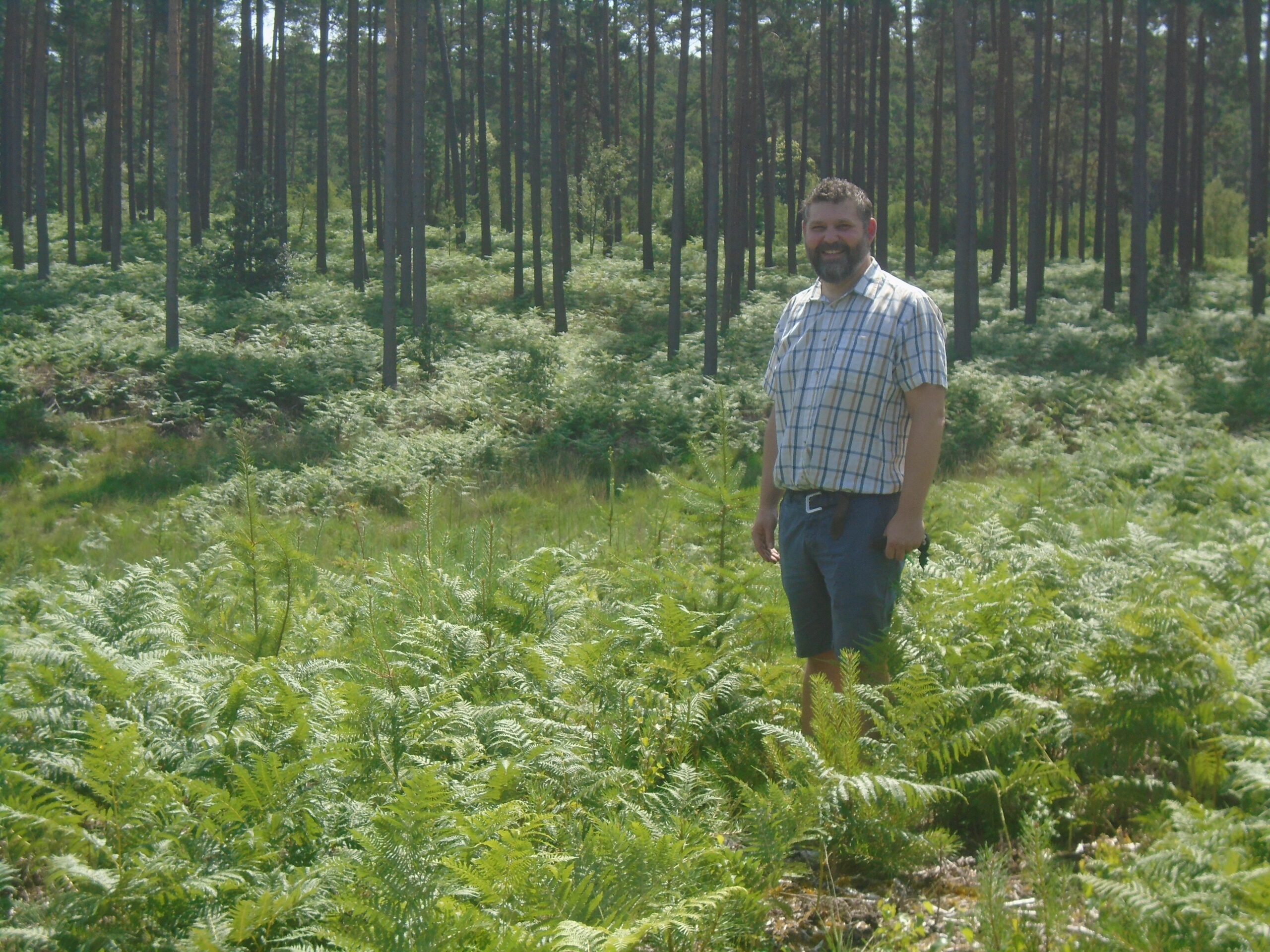
Swinley Forest secured the prestigious Duke of Cornwall Award for Resilient Multi-Purpose Forestry, sponsored by Savills and TreesPlease. The 1,152 hectares is overseen by Chief Forester, Richard Everett, and was declared ‘outstanding’ by the judges who praised “good cross-section of silviculture, recreation facilities and conservation work”.
The Crown Estate holding has overcome challenges of managing high-volume public access whilst building commercial and ecological resilience. Richard has guided his team towards Douglas fir as a long-term crop alongside Scots pine and Corsican pine. The acidic, nutrient-poor soils make trial planting difficult, with broadleaved sweet chestnut and birch also being tested.
The silver award went to Reynolds and Holcot Wood, accepted by Community Forester, Luke Quenby. Judges identified “different silvicultural and coppice systems adopted on widely differing sites within the plantations”.
Shaped by its industrial past, the woodland creation lies above an old brick clay extraction site in England’s driest County, Bedfordshire, meaning the site is expertly managed with water conservation in mind.
Long-term management delivers silviculture excellence
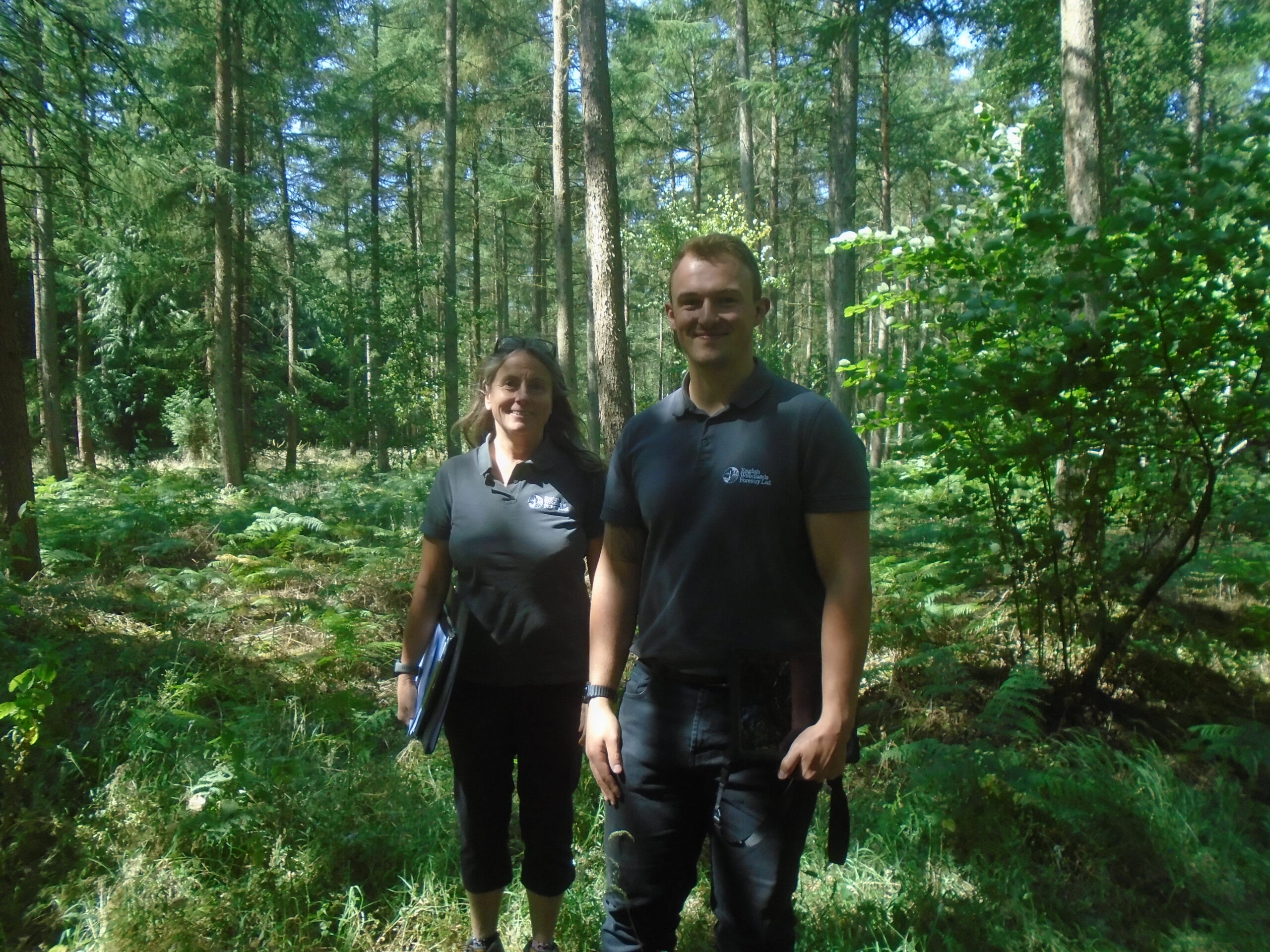
Herriard Estate was awarded the Bede Howell Award for Excellence in Silviculture, sponsored by Tilhill. The combination of conifer and broadleaved woodland has been crafted over 600 years by one family.
Owners John Jervoise and son Jack received the award, nominated by their foresters from English Woodlands Forestry (EWF). Laura Henderson, EWF Director, noted that the work by current owners is a contribution to the foundations planted by previous manager, William Hamer. Sessile oaks planted in 1919 and thinned at least three times still thrive on the estate, demonstrating the value of careful, long-term management.
“The award reflects the commitment of multiple generations and careful estate management of Walter Start and William Hamer. We are hugely grateful to them and will do our best to maintain this legacy”.
Pheasant Copse and Frith Wood on Leconfield Estate received silver. The 178-hectare woodland is owned by Lord Egremont and managed by Head Forester Neil Humphris, who gave credit to the Egremont family for “allowing me the opportunity and freedom to manage the Estate’s woodlands”.
Judges complimented the woodland for the ‘quality and spacing of the oak’ which experienced a productive mast year in 1996 and produced a dense stand of naturally regenerated sessile oak, expected to undergo first thinning in 5-10 years.
Small but mighty estate wins gold
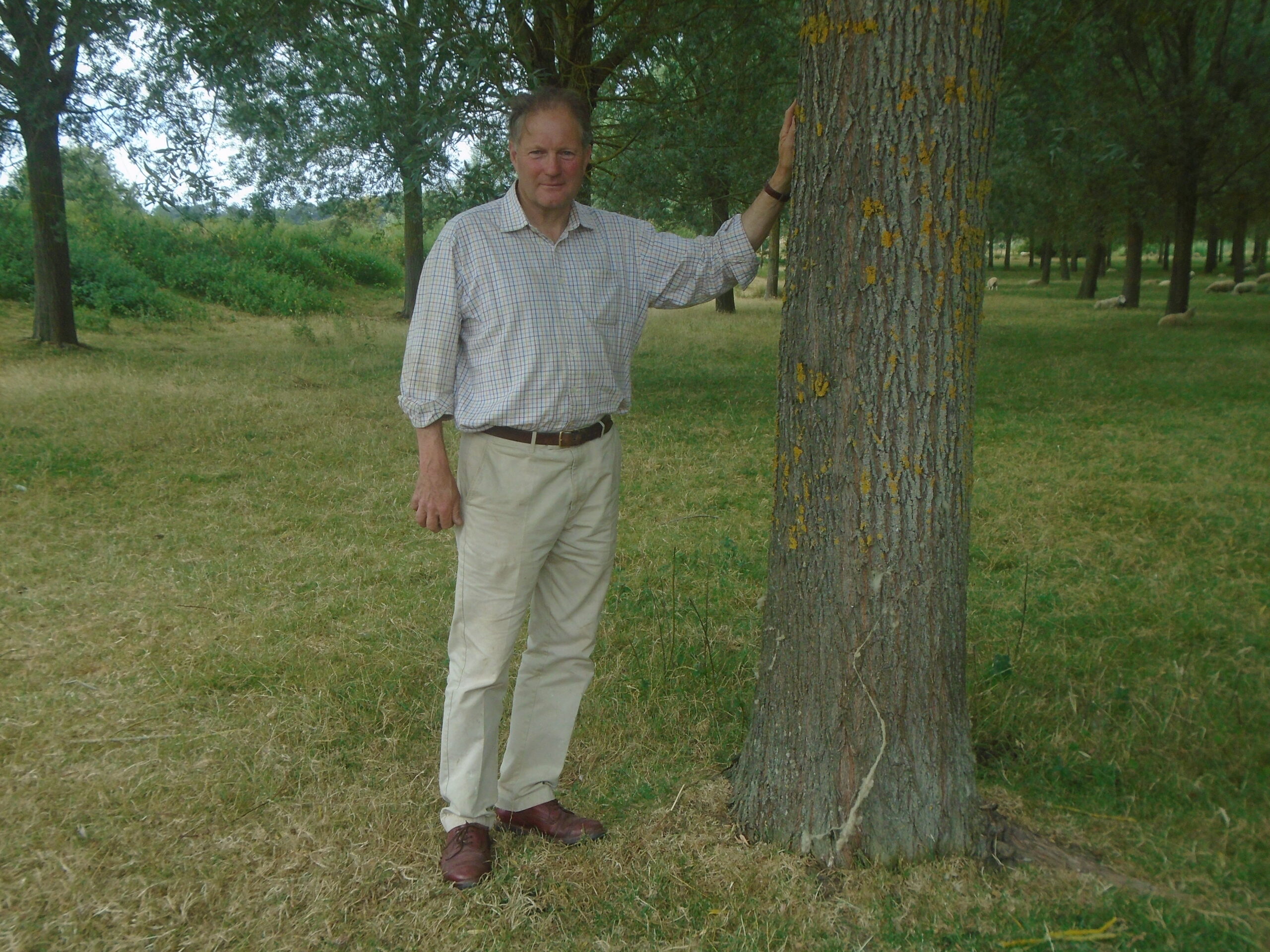
Recognising the acts of woodland managers at smaller sites over the last 10 years, the Small Farm and Woodland gold award went to Edward Barham of Hole Park Estate.
Edward carefully manages 20 hectares of specialised willow plantations, with judges commending his ‘near-daily vigilance adventitious buds needed for excellent rate of growth’. His achievement marks the second time winning the award, the first in 2019. Commenting on his second award, Edward said: “I am proud to show how the barrier between forestry and farming can be adopted for mutual benefit”.
The silver award went to Great Thorndean Woods, a 20-hectare woodland owned by Steve Gatley who bought the land behind his home in retirement and described managing the woodland as: “a healthy activity and life-changing experience to nurture the newly planted trees”.
Judges celebrated the much-improved ground conditions. Interrow mowing has kept coarse vegetation down, leaving every tree accessible. Steve credits the work and advice of Tim Saunders of Silva Woodland Management, who developed a plan for the ancient and semi-natural woodlands.
Community dedication from William Robinson Gravetye Estate
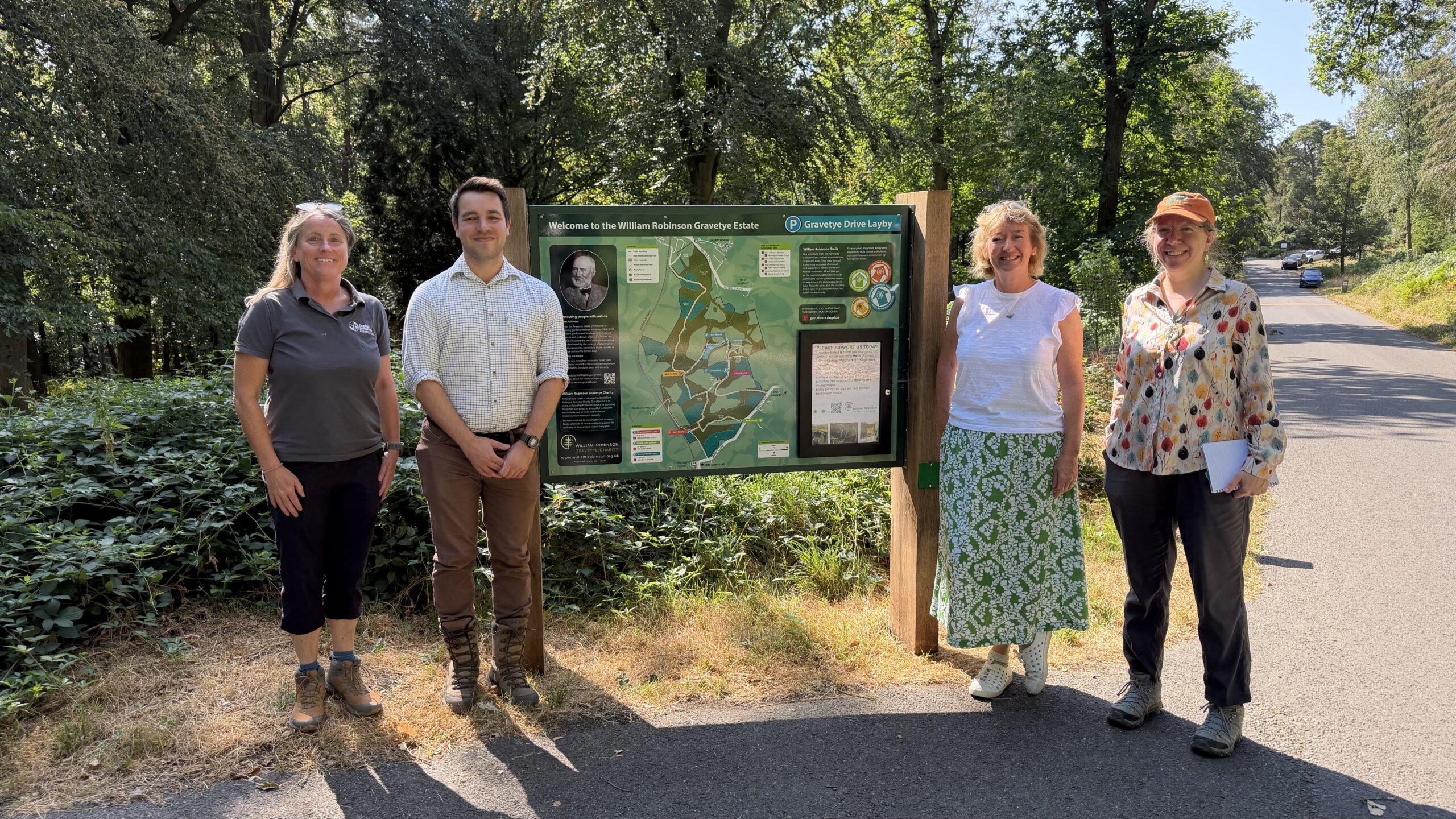
William Robinson Gravetye Estate took home the Community Woodland of the Year Award, sponsored by The Woodland Trust. The community and volunteer programme is managed by the estate’s charity, which supports silvicultural and biodiversity objectives across the grounds.
The Estate hosts 8,000 free visits a year, including Duke of Edinburgh hikers, environmental education courses and SEN student activities. The volunteer programme provides 2,880 hours, involving 232 children and 70-80 regular returners. Fiona Humphreys, charity development manager, commented: “Hundreds of volunteers give their time and energy to the charity. Since planting our first tree in 2022, they have helped us plant thousands of resilient saplings.”
“Hundreds of volunteers give their time and energy to the charity. Since planting our first tree in 2022, they have helped us plant thousands of resilient saplings.”
Judges awarded silver to Laughton Greenwood, a community managed wood in East Sussex. Chair, Steve Lewis, says the aims of the community programme are to: “build a mosaic of habitats and projects”.
The sites’ rural location supports local people’s health, wellbeing and education, with nature-based therapeutic programmes, chainsaw certifications, chorus and bat walks as well as tree-planting days forming a well-connected programme for volunteers.
Inspiring the next generation
The FORESTED Project (Future-Oriented Regeneration of Ecological Spaces through Timber, Education and Design) claimed gold for the Education and Learning Award, sponsored by the Duchy of Cornwall and PEFC.
Run by London Metropolitan University, the FORESTED project aims to educate students on a tree’s journey to becoming a finished furniture item. Through practical, immersive workshops ran by professional foresters and wood processors, students learn about extraction, mobile sawmilling, greenwood working and joinery.
“We’ve connected people with ecology in new and repeatable ways. Working with organisations such as National Trust, Community Trees Trust and Woodland Heritage, we hope to explore how to grow the project across UK woodlands”.

The silver Education and Learning Award was won by Sparsholt College’s Level 3 Forestry. Judges praised the highly practical programme which focuses practical woodland work.
Nicholas Smith, Forestry and Arboriculture Lecturer credited the wider Forestry team, Richard Swift and James Luke, for their contribution to the course. “It’s fantastic to see the course and the students’ achievements recognised by the Royal Forestry Society”, commented Nicholas.
The RFS would like to thank all the winners, nominees, judges, and sponsors for their commitment to forestry across all its sectors. All this years’ nominees show devotion to local woodlands, communities and the future of forestry.
Read more about the Excellence in Forestry Awards here: